Bike Pumps: Different Types and How to Choose the Right One
Posted by Planet Bike
Filed in Business 32 views
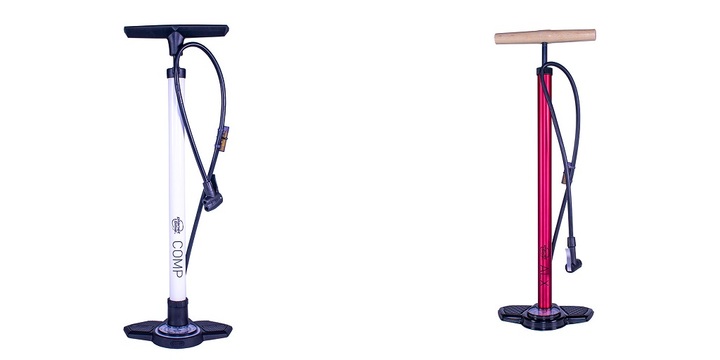
Proper tire pressure helps every ride feel smoother, safer, and more efficient. The right bike pumps make routine maintenance easier, whether you commute, ride for fitness, or enjoy weekend adventures.
Understanding the purpose of each type of pump will help you select the equipment that best suits your riding style, ensuring your bicycle is always ready for the road or trail.
Floor Pumps for Home Maintenance
Floor pumps are ideal for inflating tires before leaving home. Their larger barrels move plenty of air with each stroke, allowing you to reach the desired pressure quickly.
Many models include a sturdy base, a long hose, and a built-in pressure gauge. These features make it easier to inflate tires accurately and maintain consistent pressure. A floor pump is a practical choice if you check your tires regularly or maintain more than one bicycle.
Mini Pumps for Riding Away from Home
Portable pumps provide peace of mind when a flat tire interrupts your ride. Mini pumps fit easily into a jersey pocket, backpack, or frame mount, making them simple to carry wherever you go.
Although they require more strokes than floor pumps, they provide enough air to get you back on the road or trail. Many cyclists include a mini pump in their standard repair kit, alongside spare tubes and tire levers.
CO2 Inflators for Fast Repairs
CO2 inflators work for riders who want quick tire inflation after a puncture. A compressed-gas cartridge fills the tire in seconds, reducing repair time.
Their compact size makes them easy to pack for road rides, gravel routes, mountain biking, or daily commuting. Carrying an extra cartridge helps ensure the inflator is ready whenever another flat occurs.
Suspension Pumps for Mountain Bikes
Bikes equipped with air suspension require a dedicated suspension pump. These pumps allow precise pressure adjustments for forks and rear shocks, helping improve comfort and control on technical terrain.
Small pressure changes can noticeably affect handling, making accurate adjustments valuable before every trail ride.
Features to Consider
Choosing between bike pumps becomes easier when you focus on a few essential features.
Valve compatibility is an important starting point. Many modern pumps work with both Presta and Schrader valves, making them suitable for different bicycles.
Pressure capacity should also match your bike. Road bikes typically require higher pressure, while mountain bikes perform well at lower levels. Gravel and hybrid bikes usually fall somewhere between those ranges.
A clear pressure gauge allows accurate inflation, helping maintain consistent performance. Durable materials such as steel or aluminum also contribute to a longer service life, especially with regular use.
Comfort matters as well. Ergonomic handles, stable bases, and flexible hoses make routine maintenance quicker and more comfortable.
Why Tire Pressure is Relevant
Correct tire pressure influences comfort, efficiency, traction, and tire durability. Properly inflated tires roll more smoothly on paved roads while providing reliable handling across different surfaces.
Checking pressure regularly also helps reduce the risk of pinch flats and uneven tire wear. Since tires gradually lose air over time, a quick pressure check before riding helps maintain consistent performance.
The recommended pressure range is printed on most tire sidewalls. Rider weight, tire width, terrain, and weather conditions may influence small adjustments within that range.
Find the Right Pump for Your Riding Style
Every type of pump serves a different purpose. Floor pumps simplify home maintenance, mini pumps provide portable backup, CO2 inflators offer rapid roadside inflation, and suspension pumps help mountain bikes perform as intended.
If you're looking for reliable inflation tools for different cycling needs, Planet Bike offers floor pumps, mini pumps, CO2 inflators, and suspension pumps designed to support dependable tire maintenance wherever your rides take you.
For more information about Bike Fenders and Commuter Bike Accessories Please visit: Planet Bike.