Thermal Scope FAQs
Posted by Dark Night Outdoors LLC
Filed in Business 49 views
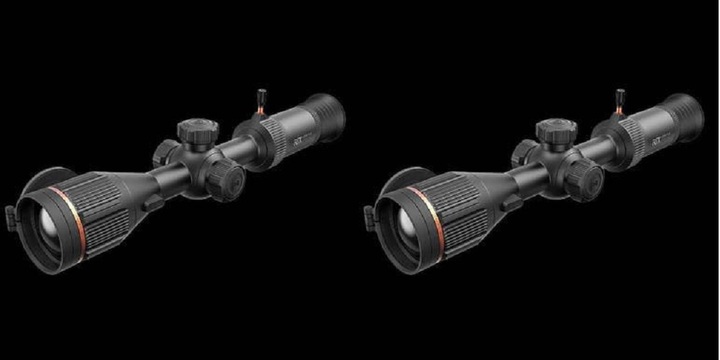
Thermal scopes are popular optics among night hunters and are commonly used by those in pursuit of predators, furbearers and destructive species, like hogs, that are active under the cover of darkness.
However, they’re also unfamiliar to most hunters, and there are a lot of questions out there circulating about them. We rounded up some of the more common ones and answered them here.
- What’s the difference between thermal scopes and IR scopes?
Thermal scopes detect thermal radiation, which is basically heat. IR scopes utilize ambient light, which means they don’t actually work in complete darkness. Thermal scopes can be used even if there is no ambient light at all, whereas IR scopes need a little ambient light, such as starlight, to work.
- Do thermal scopes work in the rain or in fog?
Thermal scopes do work in the rain but the detection range will be adversely affected as water scatters and absorbs thermal radiation. They also work in fog, and much more effectively, but the same conditions affect their detection range.
- What is detection range?
Detection range is the maximum range at which thermal scopes can pick up thermal radiation. This does not mean that the sight picture will be clear at that range; making a positive identification often requires you to close the gap significantly.
- What is a barrel flare?
A barrel flare is a visual artifact that can manifest on a thermal scope’s display if the barrel of the rifle is very hot. Typically this happens at the range when running a thermal optic and sustaining a period of relatively heavy fire. The heat of the barrel often creates a “glow” at the base of the thermal optic’s display, which can obstruct the sight picture.
- Do thermal scopes work during the day?
Because thermal scopes detect thermal radiation and not visible light, they work with complete efficacy during both the night and the day.
- Do thermal scopes work in complete darkness?
Because thermal scopes do not detect visible light, they work in complete darkness as well as during the day.
- What is a clip-on thermal scope?
A clip-on thermal scope is a thermal optic that is designed to mount to a rail in conjunction with a conventional glass optic and convert it into a thermal scope. Clip-on thermal optics do not require you to remove or replace your existing scope, and don’t require a re-zero, either.
These clip-on thermal optics can also sometimes be helmet mounted and many can be used free as thermal monoculars as well.
- What are thermal scopes used for?
Likely the most common application of thermal scopes is for use hunting at night, but they can also be used by law enforcement as well as search and rescue teams.
Shop the Best Thermal Scopes and Other Optics in the Industry
Looking for a thermal rifle scope for your choice platform? Take a closer look at what’s available online at Dark Night Outdoors. They represent the best brands in the industry, including but not limited to iRay, DNT, Nocpix and PULSAR, among others. If you still have questions after seeing what they have available, give them a call at 309-781-8421 and they’ll help you out and even make personalized recommendations.
For more information about Pulsar Thermal and Rix Thermal Scope Please visit: Dark Night Outdoors.