Reliable Cooling in Extreme Heat: Understanding AC Repair Needs in West Texas
Posted by Shaheen Akbar
Filed in Arts & Culture 60 views
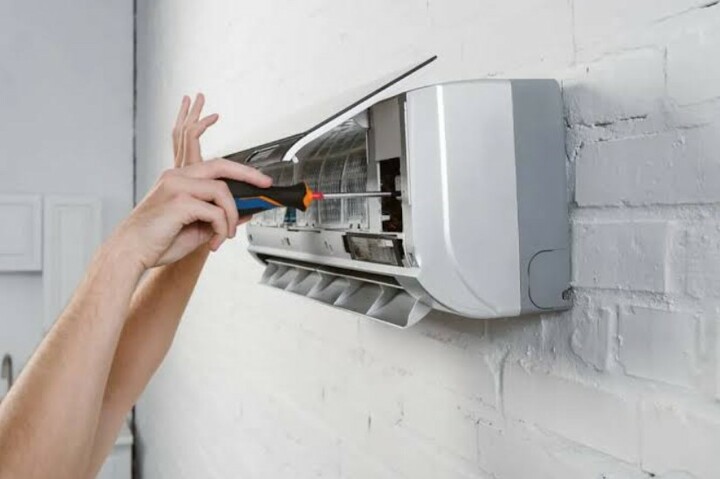
Air conditioning isn’t just a comfort in West Texas—it’s a necessity. With long stretches of intense heat, dry winds, and sudden temperature spikes, cooling systems are pushed far beyond average workloads. For homeowners and businesses alike, understanding how AC systems respond to this environment can make the difference between reliable comfort and costly breakdowns.
Whether you’re maintaining an older unit or trying to improve the efficiency of a newer system, knowing what causes wear and how to respond early can save both money and frustration. In regions where summer heat dominates much of the year, proactive care and timely repair are essential parts of home maintenance.
Why West Texas Weather Puts AC Systems Under Stress
West Texas is known for its extreme climate conditions. High temperatures combined with low humidity and frequent dust exposure create a challenging environment for HVAC systems. Air conditioners in this region often run for extended hours with minimal breaks, which accelerates wear on key components like compressors, fans, and coils.
Dust and debris also play a major role. Fine particles can clog filters and reduce airflow, forcing the system to work harder than necessary. Over time, this strain increases energy consumption and shortens equipment lifespan. Additionally, rapid temperature swings between day and night can cause expansion and contraction in mechanical parts, leading to small cracks or loose connections that eventually require repair.
Because of these environmental factors, even well-maintained systems in West Texas tend to need service more frequently than those in milder climates.
Common AC Problems Homeowners Experience
When an air conditioning system starts struggling in a hot climate, the symptoms are often easy to notice but sometimes misunderstood. Recognizing early warning signs can prevent a small issue from turning into a major breakdown.
Some of the most common AC problems include:
-
Weak or inconsistent airflow from vents
-
Warm air blowing instead of cold air
-
Unusual noises such as grinding or rattling
-
Frequent cycling on and off
-
Rising electricity bills without increased usage
-
Water leaks or moisture around the unit
These issues often stem from clogged filters, refrigerant leaks, electrical malfunctions, or failing components. In West Texas, dust buildup and overheating are particularly common causes. While some minor maintenance tasks can be handled by homeowners, many of these problems require professional diagnostics to ensure the system is repaired correctly and safely.
Preventive Maintenance That Extends System Life
Preventive maintenance is one of the most effective ways to avoid unexpected breakdowns, especially in a harsh climate. Regular care helps improve efficiency, reduce energy costs, and extend the lifespan of your HVAC system.
Here are a few essential maintenance practices:
-
Replace or clean air filters every 1–3 months
-
Keep outdoor condenser units free from debris, weeds, and dirt
-
Schedule seasonal inspections before peak summer heat
-
Check thermostat accuracy and battery condition
-
Ensure air vents are not blocked by furniture or dust buildup
-
Inspect ductwork for leaks or visible damage
Routine maintenance also helps technicians catch small issues early, such as worn belts or low refrigerant levels, before they escalate into expensive repairs. In regions like West Texas, where cooling systems are heavily relied upon, this kind of proactive care is especially valuable.
When It’s Time to Call a Professional
While basic maintenance can go a long way, there are situations where professional service becomes necessary. Attempting complex repairs without the right tools or training can lead to further damage or safety risks.
If your system shows persistent issues such as inconsistent cooling, strange odors, or frequent shutdowns, it’s time to consult a qualified technician. Electrical issues and refrigerant handling should always be addressed by trained professionals due to safety and environmental regulations.
For homeowners dealing with persistent or worsening AC problems, professional services likeWest Texas AC repair can provide accurate diagnostics and long-term solutions tailored to the region’s demanding climate. Skilled technicians can assess whether a system needs repair, recalibration, or replacement, helping you make informed decisions that protect your investment.
Choosing the Right HVAC Service Provider
Not all HVAC services are the same, and choosing the right provider can significantly impact the performance and longevity of your system. In a region like West Texas, experience with local climate conditions is especially important.
When evaluating HVAC companies, consider the following factors:
-
Experience with high-heat and dust-heavy environments
-
Licensing and certification of technicians
-
Availability of emergency repair services
-
Transparent pricing and service estimates
-
Strong reputation and customer feedback
-
Range of services offered, including maintenance and installation
A reliable HVAC provider should not only fix immediate issues but also help you understand how to prevent future problems. They should offer guidance on system upgrades, energy efficiency improvements, and maintenance schedules tailored to your usage patterns.
Conclusion: Staying Ahead of the Heat
In West Texas, air conditioning systems are essential infrastructure rather than optional comfort. The combination of extreme heat, dust, and constant usage makes regular maintenance and timely repair critical for long-term performance.
By understanding how local climate conditions affect HVAC systems, recognizing early warning signs, and investing in preventive care, homeowners can avoid unexpected breakdowns during the hottest months of the year. When issues do arise, working with experienced professionals ensures your system is restored quickly and correctly, keeping your indoor environment safe and comfortable all year long.
Ultimately, staying proactive is the key to reliable cooling in a region where heat is a constant challenge.