Gas Leak Detector: Types, Uses, and Safety Benefits
Posted by ISJ Leaders in Security
Filed in Technology 18 views
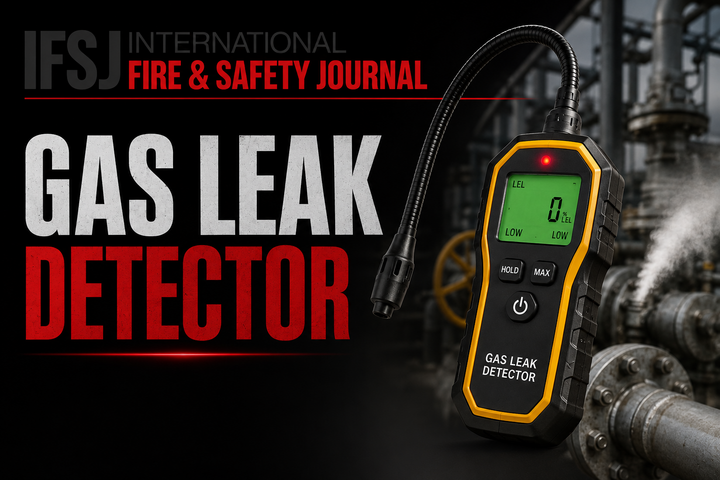
Gas leaks can create serious hazards in industrial, commercial, and residential environments. Depending on the substance involved, an undetected leak may result in toxic exposure, fire, explosion, or damage to equipment and property. Gas detection technology helps identify hazardous gases before they reach dangerous concentrations. Understanding the available detector types, their applications, and their safety benefits can help organizations develop more effective gas detection and emergency response strategies.
What Is a Gas Leak Detector?
A gas leak detector is a device designed to identify the presence of specific gases in the surrounding air. It uses a sensing element to detect changes in gas concentration and, depending on the system, can provide an audible, visual, or remote warning when a defined threshold is reached.
Different detectors are designed for different gases and environments. For example, a facility handling natural gas may require sensors designed to detect combustible gases, while a chemical processing plant may need equipment capable of identifying toxic substances such as ammonia, chlorine, or hydrogen sulfide.
Some detection systems are permanently installed and continuously monitor high-risk areas. Others are portable and carried by workers during inspections, maintenance, confined-space entry, or emergency investigations. The appropriate choice depends on the gases present, the potential leak sources, the facility layout, and the required level of monitoring.
Types of Gas Leak Detectors
Gas detection equipment varies according to its design, sensing technology, and intended application. Understanding these differences helps facilities select systems that match their specific hazards, operating conditions, and monitoring requirements.
Fixed Gas Leak Detectors
Fixed detectors are permanently installed near potential leak sources and provide continuous monitoring. They are commonly used around pipelines, storage tanks, processing equipment, and other high-risk industrial areas.
Portable Gas Leak Detectors
Portable detectors are compact devices that workers can carry during inspections or maintenance activities. They are particularly useful when entering areas where gas concentrations may change or where permanent detection is unavailable.
Point Gas Detectors
Point detectors monitor gas concentrations at a specific location. They are positioned strategically according to the properties of the gas, potential release points, airflow patterns, and areas where gas could accumulate.
Open-Path Gas Detectors
Open-path detectors monitor gases across a defined beam or path rather than at a single point. They can cover larger areas and are useful in environments such as processing facilities and outdoor industrial installations.
Infrared Gas Detectors
Infrared detectors use specific wavelengths of infrared light to identify certain gases. They are commonly used for combustible gas detection and can provide reliable monitoring in demanding industrial environments when appropriately selected.
Common Uses of Gas Leak Detectors
Gas detection equipment is used across industries where hazardous gases may be produced, stored, transported, or released. Applications range from continuous facility monitoring to worker protection during specific tasks.
-
Oil and gas facilities: Detection systems can monitor processing units, pipelines, storage areas, and other locations where combustible or toxic gases may be released.
-
Chemical plants: Gas detection can help identify releases of hazardous substances used or produced during chemical processes, helping workers respond before exposure becomes severe.
-
Manufacturing facilities: Industrial processes may involve gases used for production, heating, welding, or other operations. Monitoring helps identify leaks around equipment and supply systems.
-
Storage areas: Gas detectors can be installed around cylinders, tanks, and other storage locations where accidental releases could create fire, explosion, or exposure hazards.
-
Confined spaces: Portable detectors are particularly important before and during work in tanks, vessels, pits, and other confined areas where hazardous gases may accumulate or oxygen levels may become unsafe.
-
Commercial buildings: Kitchens, boiler rooms, laboratories, and utility areas may require gas monitoring depending on the equipment and substances present.
-
Residential environments: Domestic detection equipment can help identify leaks from natural gas or other fuel sources and provide an early warning to occupants.
Safety Benefits of Gas Leak Detectors
Early identification of hazardous gases can provide valuable time for people to take appropriate action. Detection systems are therefore an important component of broader fire, occupational, and emergency safety measures.
-
Early hazard identification: Detection equipment can identify gas releases before workers can see or smell a problem, particularly when the gas has no reliable warning odor.
-
Reduced fire and explosion risk: Detecting combustible gases early can help personnel isolate equipment, remove potential ignition sources, and follow established emergency procedures.
-
Protection against toxic exposure: Monitoring can warn workers when toxic gas concentrations are increasing, helping them leave affected areas and initiate appropriate response measures.
-
Faster emergency response: Alarm signals can alert employees and emergency teams that a hazardous condition requires immediate attention.
-
Improved situational awareness: Multiple detectors can provide information about affected areas, helping control-room operators and response personnel understand changing conditions.
-
Protection of equipment: Early intervention may reduce the potential for prolonged gas exposure, fire, explosion, or other events that could damage industrial equipment.
-
Support for automated safety actions: When properly engineered, detection systems can communicate with ventilation, shutdown, alarm, and other safety systems to support a coordinated response.
How to Choose the Right Gas Leak Detector
Selecting detection equipment requires an understanding of the gases present, the environment, and the risks associated with a potential release. A suitable detector should match the facility's specific monitoring requirements.
Identify the gases involved: Determine which combustible, toxic, or oxygen-deficient conditions need to be monitored. Sensor selection should be based on the actual hazards present.
Consider the application: Decide whether continuous fixed monitoring, portable detection, or a combination of both is required for the facility.
Evaluate the detection technology: Different sensor technologies have different strengths and limitations. Consider factors such as accuracy, response time, selectivity, and environmental conditions.
Assess environmental conditions: Temperature, humidity, dust, vibration, chemicals, and ventilation can influence detector performance and should be considered during selection.
Determine coverage requirements: Review potential leak sources and airflow patterns to establish where detectors should be positioned and how many are required.
Check alarm requirements: Consider whether local audible and visual alarms, centralized monitoring, remote notifications, or connections to other safety systems are needed.
Consider maintenance needs: Equipment should be practical to test, calibrate, inspect, and maintain throughout its service life.
Best Practices for Gas Leak Detector Installation and Maintenance
Proper installation and ongoing maintenance are essential for ensuring that detection equipment remains reliable when a hazardous release occurs. Procedures should reflect the facility's risk assessment and equipment requirements.
Install detectors strategically: Position sensors according to the properties of the gas, likely release points, ventilation patterns, and areas where accumulation may occur.
Follow manufacturer instructions: Installation, operation, testing, and maintenance should follow the equipment manufacturer's requirements and applicable safety procedures.
Test detectors regularly: Functional testing helps verify that sensors, alarms, power supplies, communication links, and associated safety functions are operating correctly.
Maintain calibration: Sensors can lose accuracy over time. Regular calibration helps ensure readings remain within the required performance range.
Inspect for physical damage: Check detectors for corrosion, contamination, blocked sensor openings, loose connections, or other conditions that could affect performance.
Keep maintenance records: Document inspections, calibration, testing, faults, and repairs to identify recurring issues and support effective maintenance management.
Train employees: Workers should understand alarm signals, evacuation procedures, reporting requirements, and the appropriate actions to take following a detection event.
Review detection coverage: Changes to equipment, processes, building layouts, or ventilation can alter gas risks. Detection coverage should therefore be reviewed when significant changes occur.
Conclusion
Gas detection is an important part of managing hazards associated with combustible, toxic, and oxygen-displacing gases. Fixed, portable, point, open-path, and infrared technologies each serve different monitoring requirements, while their applications extend across industrial, commercial, and residential environments.
Selecting suitable equipment, positioning it correctly, maintaining sensors, and training personnel are all essential for dependable detection. When combined with appropriate emergency procedures and other safety controls, gas detection can help organizations identify hazards earlier and respond more effectively. international fire and safety journal offers wider industry context on fire protection, workplace safety, and emerging approaches to risk management.
FAQs
What is the main purpose of a gas leak detector?
Its main purpose is to identify the presence or concentration of a hazardous gas and provide a warning when detected levels reach a defined threshold.
What are the main types of gas leak detectors?
Common types include fixed, portable, point, open-path, and infrared detectors. The appropriate type depends on the gas, environment, monitoring area, and application.
Where are gas leak detectors commonly used?
They are used in oil and gas facilities, chemical plants, manufacturing sites, storage areas, confined spaces, commercial buildings, laboratories, and some residential environments.
How do gas leak detectors improve safety?
They provide early warnings about hazardous gas conditions, allowing workers to evacuate, isolate equipment, initiate emergency procedures, or take other appropriate actions.
How often should gas leak detectors be tested?
Testing frequency depends on the equipment, application, manufacturer requirements, site procedures, and applicable regulations. Facilities should establish a documented testing and maintenance schedule.