Scroll Saw Carving: Tips for Cleaner and Safer Cuts
Posted by Kutzall Tools
Filed in Business 30 views
Creating intricate wooden designs requires patience, precision, and the right techniques. Among the many woodworking methods available, scroll saw carving stands out for its ability to produce detailed patterns, decorative pieces, puzzles, ornaments, and artistic cutouts with exceptional accuracy. Whether you're new to woodworking or looking to expand your skills, learning the fundamentals of scroll saw carving can open the door to countless creative projects.
Unlike larger cutting tools designed for rough shaping, a scroll saw uses a fine reciprocating blade that allows users to create tight curves, interior cutouts, and delicate details with excellent control. This makes it a popular choice for hobbyists, craftspeople, and professional woodworkers who value precision and clean finishes. Developing good cutting habits and selecting the appropriate blade are essential for achieving high-quality results.
What Is Scroll Saw Carving?
Scroll saw carving is a woodworking technique that uses a scroll saw to cut intricate shapes, curves, and patterns into wood. Because the blade can be threaded through drilled holes, it allows for interior cuts without requiring an edge entry point.
This capability makes the scroll saw ideal for projects such as:
-
Decorative wall art
-
Wooden puzzles
-
Personalized signs
-
Holiday ornaments
-
Fretwork
-
Jewelry boxes
-
Small furniture accents
Its ability to create detailed work with minimal material waste has made it a favorite among woodworkers of all experience levels.
Choosing the Right Blade
Selecting the correct blade is one of the most important aspects of successful scroll sawing. Blade size, tooth configuration, and material all influence cutting speed, finish quality, and maneuverability.
When selecting a blade, consider:
-
Thickness of the wood
-
Complexity of the pattern
-
Desired finish quality
-
Type of wood being cut
-
Number of interior cuts
Using the proper blade helps reduce splintering, improves accuracy, and minimizes unnecessary blade breakage during detailed projects.
Preparing for Your Project
Proper preparation contributes significantly to clean, accurate cuts.
Before starting:
-
Choose a knot-free piece of wood when possible.
-
Secure your pattern firmly to the workpiece.
-
Ensure the blade is correctly tensioned.
-
Verify that the saw table is square.
-
Check that your workspace has adequate lighting.
Taking time to prepare both the material and the equipment helps improve cutting accuracy while reducing frustration during the project.
Essential Cutting Techniques
Learning proper cutting techniques improves both safety and overall craftsmanship.
Follow the Pattern Smoothly
Guide the wood steadily through the blade without forcing it. Allow the blade to perform the cutting while maintaining consistent forward movement.
Make Gradual Turns
Sharp corners should be approached slowly. Rotating the workpiece while maintaining forward motion helps prevent blade twisting and breakage.
Practice Interior Cuts
Interior cutouts require drilling a starter hole before threading the blade through the material. This technique allows intricate internal designs without cutting from the edge of the board.
Benefits of Scroll Saw Carving
Many woodworkers choose scroll saw carving because it combines precision with creative flexibility.
Some of its advantages include:
-
Exceptional detail capability
-
Smooth curved cuts
-
Minimal material waste
-
Beginner-friendly operation
-
Ability to create interior cutouts
-
Wide variety of project possibilities
With consistent practice, users can progress from simple shapes to highly detailed artistic creations while improving overall woodworking skills.
Safety Tips
Although scroll saws are considered among the safer woodworking machines, proper safety practices remain essential.
Always remember to:
-
Wear eye protection.
-
Keep fingers a safe distance from the blade.
-
Avoid forcing the material.
-
Replace dull or damaged blades promptly.
-
Maintain a clean work area.
-
Turn off the saw before making adjustments.
Good safety habits not only reduce the risk of injury but also improve cutting accuracy and project quality.
Improving Your Skills
Like any woodworking technique, improvement comes through regular practice. Beginners often benefit from practicing simple curves, corners, circles, and straight lines before attempting complex fretwork or detailed artistic patterns.
Experimenting with different wood species, blade types, and cutting speeds helps develop greater control and confidence. As experience grows, more advanced techniques such as layered designs, stack cutting, and intricate decorative work become easier to master.
Conclusion
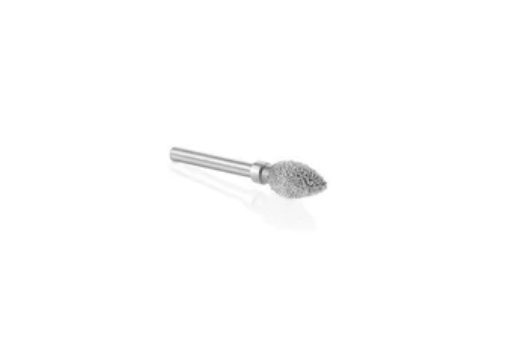
Mastering scroll saw carving takes patience, practice, and attention to detail, but the results are well worth the effort. By selecting the right blade, preparing your materials carefully, and following safe cutting techniques, you can create detailed woodworking projects with clean, accurate results. As your experience expands, incorporating rotary carving tools for wood into finishing and detailing stages can further enhance your projects while adding depth, texture, and professional-quality craftsmanship. Whether you're crafting decorative art, personalized gifts, or functional wooden pieces, developing strong scroll saw skills provides a solid foundation for many creative woodworking pursuits.