Tips for Turning Artwork into High-Quality Hat Embroidery Designs
Posted by Digitizing Buddy
Filed in Business 93 views
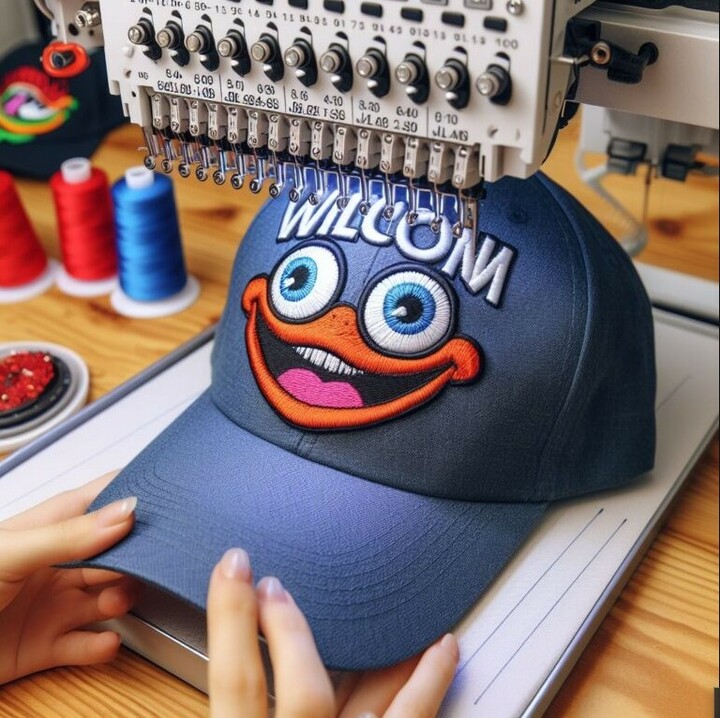
Hat embroidery looks simple when you see the final result. But behind every clean stitch is careful work. The design must be prepared the right way. Hats have a curved surface and thick fabric. This makes embroidery different from flat items like shirts or bags.Many beginners try to stitch a design directly from an image. Sadly, that often leads to broken stitches, uneven shapes, or thread bunching. To get neat results, the artwork must be prepared and converted correctly for embroidery.In this guide, you will learn simple tips that help turn normal artwork into clean hat embroidery designs. You will also understand how to digitize for hat embroidery so your design runs smoothly on the machine. These tips come from real experience in the embroidery field and will help both beginners and small embroidery businesses.
Understanding Hat Embroidery Basics
Hat embroidery is not the same as normal embroidery. Caps have a round shape. The front panel is also thicker than most fabrics. Because of this, designs must be planned carefully.
If the design is not prepared correctly, the machine may struggle to stitch it. Letters may look uneven. Small shapes may disappear.
Why Hat Embroidery Needs Special Attention
Caps move while stitching. The surface is curved. This can affect the stitches.
Some common problems include:
- Distorted designs
- Uneven lettering
- Gaps in stitches
- Thread breaks
Good design preparation helps avoid these issues.
Best Area for Hat Embroidery
Most designs are placed on the front center panel of the hat. This area gives the most space and stability.
However, the design must still fit properly. Large designs may not work well on caps.
Start With High-Quality Artwork
The quality of the artwork plays a big role in embroidery.
Low-quality images make digitizing harder. Blurry images also cause mistakes in the stitch path.
Choose Clean and Clear Artwork
The best artwork has:
- Clear lines
- Simple shapes
- High resolution
- Solid colors
Vector files work best. These include formats like AI, EPS, or SVG.
Avoid Overly Complex Designs
Hats have limited space. Too many details can ruin the design.
Try to keep the artwork simple. Small details often get lost in stitching.
Example of Good Hat Artwork
Good designs often include:
- Bold logos
- Simple icons
- Short text
- Thick lines
These designs stitch well on caps.
Simplify the Design Before Digitizing
Many logos are made for print, not embroidery. Print designs may have tiny lines and shading.
These details must be simplified before embroidery.
Remove Tiny Details
Very small shapes may not stitch properly.
Remove things like:
- Thin outlines
- Tiny dots
- Small text
This makes the design cleaner.
Increase Line Thickness
Thin lines should be made thicker. This helps stitches stay visible on the fabric.
A good rule is to keep lines bold and strong.
Choose the Right Stitch Types
Stitch type affects how the design looks and feels.
Different parts of the design require different stitches.
Common Stitch Types for Hats
Satin Stitch
Satin stitches work well for:
- Text
- Borders
- Small shapes
They give a smooth and shiny finish.
Fill Stitch
Fill stitches cover large areas.
They are used for:
- Big shapes
- Solid backgrounds
Fill stitches also help keep the design stable.
Running Stitch
Running stitches are used for light details and outlines.
But they should not be too thin for hats.
Plan the Stitch Direction Carefully
Stitch direction changes the look of embroidery.
Wrong stitch angles can cause gaps or uneven surfaces.
Why Stitch Direction Matters
The light reflects differently depending on stitch direction. This can change how the design appears.
Changing stitch angles can create depth and texture.
Tips for Better Stitch Direction
- Use different angles for large shapes
- Avoid long continuous stitches
- Break big areas into sections
This helps create a balanced design.
Adjust the Density for Hat Fabric
Density means how close the stitches are placed.
Too many stitches can cause thread breaks. Too few stitches make the design look weak.
Finding the Right Balance
Hat fabric is usually thick. Because of this, stitch density must be adjusted.
Good density allows the thread to sit nicely on the surface.
Test Before Production
Always test the design on a sample hat. This helps check:
- Stitch smoothness
- Thread tension
- Design shape
Testing saves time and materials.
Use Proper Underlay Stitches
Underlay stitches are the hidden base stitches.
They sit under the main stitches and help support the design.
Benefits of Underlay
Underlay stitches help:
- Stabilize the fabric
- Improve stitch quality
- Reduce puckering
They also make the design look more raised and clean.
Types of Underlay for Hats
Common underlay styles include:
- Edge run
- Zigzag
- Center walk
Digitizers choose the best one based on the design.
Choose the Right Thread and Needle
Even a good design can fail if the wrong thread is used.
Thread quality affects durability and appearance.
Best Threads for Hat Embroidery
Polyester threads are very popular.
They are strong and resist fading.
Rayon threads also give a shiny look but may not be as strong.
Needle Selection
Caps usually need strong embroidery needles.
The right needle helps avoid:
- Thread breaks
- Skipped stitches
- Fabric damage
Keep Lettering Simple and Bold
Text is very common in hat embroidery. Many businesses place their logo or name on caps.
However, small text can cause problems.
Best Fonts for Hat Embroidery
Simple fonts work best.
Examples include:
- Block fonts
- Sans-serif fonts
- Bold lettering
These fonts stitch clearly.
Avoid Very Small Text
Tiny letters may look messy.
Most digitizers recommend keeping text at least 5–6 mm tall.
This keeps letters readable.
Test the Design on a Sample Hat
Testing is one of the most important steps.
Even perfect digitizing may behave differently on fabric.
What to Check During Testing
Look for:
- Design alignment
- Stitch smoothness
- Thread tension
- Fabric puckering
Small adjustments may be needed.
Make Changes if Needed
If problems appear, adjust:
- Stitch density
- Underlay
- Stitch direction
Testing helps improve the final result.
Work With Experienced Digitizers
Digitizing hat designs requires skill and experience.
Professional digitizers understand fabric behavior, stitch paths, and machine settings.
This is why many embroidery businesses choose expert services like Embroidery Digitizing Services in USA - Digitizing Buddy. Their team has hands-on experience with cap designs and understands how to prepare artwork for smooth embroidery.
Professional digitizing reduces mistakes and saves time during production.
Common Mistakes to Avoid
Many beginners repeat the same mistakes when preparing hat embroidery designs.
Avoiding these errors can improve your results.
Using Very Detailed Artwork
Too many details can make the design messy.
Keep the design simple.
Ignoring Stitch Order
Poor stitch order may cause gaps and thread breaks.
Plan the sequence carefully.
Skipping Test Stitching
Testing is very important. Never skip this step.
Wrong Design Size
A design that is too big may not fit well on a cap.
Always measure the embroidery area.
How Professional Digitizing Improves Results
Professional digitizing brings accuracy and reliability.
Experts know how to adjust designs for hats. They consider fabric type, stitch angles, and machine movement.
Services like Embroidery Digitizing Services in USA - Digitizing Buddy provide well-tested embroidery files. These files run smoothly on embroidery machines and help businesses produce consistent results.
This saves time, thread, and materials.
Final Thoughts
Turning artwork into a high-quality hat embroidery design takes planning and skill. A simple image must go through several steps before it is ready for stitching.
Good artwork, proper stitch types, correct density, and testing all play a big role in success.
When these elements work together, the final design looks clean, sharp, and professional.
If you want the best results, working with experts like Embroidery Digitizing Services in USA - Digitizing Buddy can make the process much easier. Their experience helps ensure that every design runs smoothly on embroidery machines and looks great on finished hats.
With the right approach and attention to detail, any artwork can be transformed into a beautiful embroidered cap design.