Shame as a Challenge to Racial Equity in Schools | Akoben LLC
Posted by menixap isfew
Filed in Other 83 views
Shame as a Challenge to Racial Equity in Schools
Advancing racial equity in schools is one of the most urgent and complex challenges facing educators today. While data consistently reveals disparities in how students of color are served, disciplined, and supported, the path toward meaningful change is often derailed before it truly begins. The barrier is not always ignorance — it is emotion. Specifically, it is shame. At Akoben LLC, we believe that understanding the emotional undercurrents of this work is the first step toward transforming it. When educators and administrators feel "called out" during conversations about white privilege, implicit bias, or structural racism, they are not simply being resistant. They are responding to an ancient and powerful emotional trigger — shame.
Understanding the Compass of Shame in Racial Equity Conversations
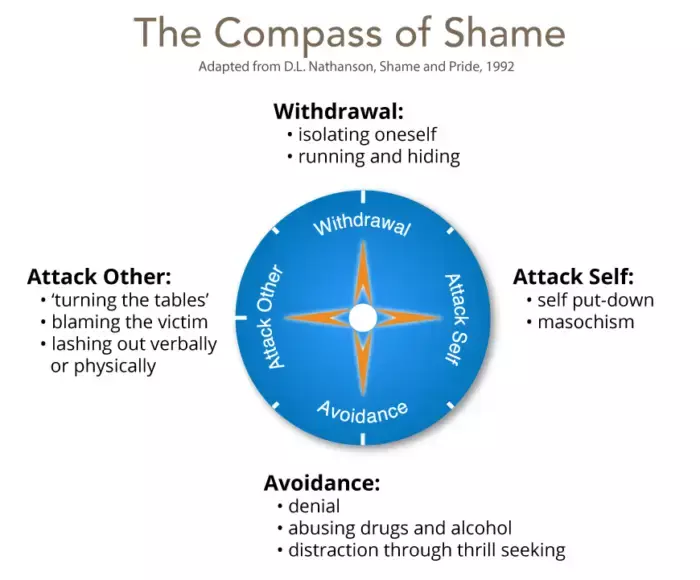
To make sense of these responses, we turn to a powerful psychological framework known as the compass of shame. Developed by psychiatrist Donald Nathanson, the compass of shame identifies four primary behavioral responses people use to manage the pain of shame: withdrawal, avoidance, attack self, and attack others. When educators encounter discussions about systemic racism, these four responses show up with striking regularity. Some disengage entirely, retreating from the conversation through silence or absence. Others minimize the issue, joking their way through discomfort to avoid confronting painful truths. Many internalize the shame in unhealthy ways, collapsing into guilt without taking productive action. And others — perhaps most visibly — respond by attacking those raising the concern, accusing advocates of reverse racism or ideological manipulation. Recognizing the compass of shame as a lens does not excuse these responses. Rather, it helps educators and facilitators understand what they are witnessing so they can respond with wisdom rather than frustration.
Applying the Compass of Shame Scale in School Settings
Moving from theory to practice requires tools that ground this work in real contexts. The compass of shame scale is a practical instrument that allows practitioners to assess where individuals and groups fall along the shame response continuum. In school settings, the compass of shame scale can be used during professional development, restorative circles, and equity training to identify the specific shame responses that are blocking progress. When a teacher deflects a conversation about disproportionate discipline data with humor, that is an avoidance response on the compass of shame scale. When a school leader responds to equity criticism by pointing to their own marginalized identity as a shield, that is an attack-self response. By naming these patterns using the compass of shame scale, educators can move from reactive defensiveness to reflective accountability — the very foundation of restorative practice.
How Abdul Malik Muhammad Frames This Work
Abdul Malik Muhammad, founder of Akoben LLC, has spent years at the intersection of restorative justice and racial equity in schools across the United States. Drawing on his deep expertise in both disciplines, Abdul Malik Muhammad has developed a framework that connects the psychology of shame directly to the behaviors that obstruct antiracism work in educational institutions. Rather than viewing resistance as malice, Abdul Malik Muhammad encourages practitioners to read it as a shame response — and then to create the conditions where honest, courageous dialogue becomes possible. His approach challenges educators to examine not only their policies and practices, but their emotional responses to accountability itself. Abdul Malik Muhammad asserts that true antiracism requires more than training; it demands a kind of emotional literacy that most professional development programs have never addressed. This is the gap that his work seeks to close.
Restorative Practice as an Antiracism Framework
Restorative practice offers one of the most promising pathways for doing this emotional and structural work simultaneously. Rather than relying solely on punitive accountability or performative allyship, restorative frameworks create the conditions for genuine repair — of relationships, of trust, and of broken systems. Akoben LLC integrates restorative principles into every layer of its equity consulting work, helping schools build cultures where difficult conversations are not only tolerated but expected. The connection between shame management and restorative practice is not incidental. When people feel safe enough to acknowledge harm without collapsing into shame, they are far more likely to take meaningful and lasting action.
Why Schools Need This Approach Now
The urgency of this work cannot be overstated. Students of color continue to be disproportionately suspended, misidentified for special education, and underrepresented in gifted programs. These outcomes are not accidents — they are the result of systems built on biased assumptions and sustained by institutional silence. Akoben LLC exists to disrupt that silence. By equipping educators with the emotional tools to face their shame responses and the structural frameworks to dismantle inequitable systems, Akoben LLC is doing the kind of deep, sustainable work that produces lasting change. Shame does not have to be the end of a conversation about racial equity. With the right framework, it can become the beginning of transformation.