The Complete Beginner’s Guide to Lip Fillers: Costs, Risks, Results & Recovery
Posted by Ella James
Filed in Health 243 views
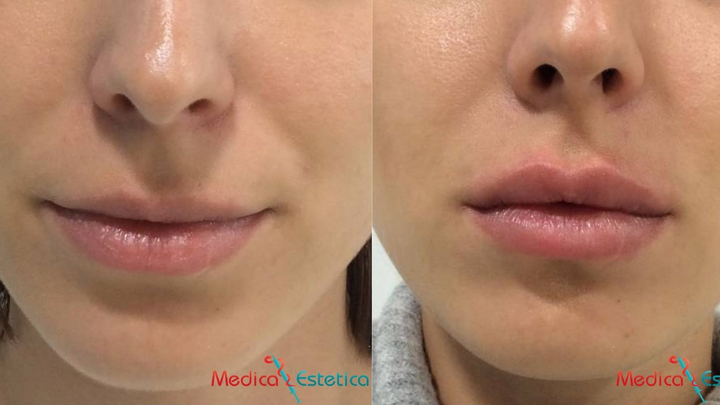
In 2025, Dutch news program EenVandaag shared a real case about Julia, a young woman who wanted facial fillers. The cosmetic doctor refused treatment because she did not need it. The report also noted that around 300,000 people in the Netherlands receive fillers each year.
(Source: EenVandaag, Netherlands public broadcaster report on cosmetic fillers)
This story shows how common lip fillers have become in the Netherlands. It also highlights an important safety principle. Ethical doctors only treat when there is a real aesthetic need and realistic expectation.
If you are thinking about lip fillers for the first time, you probably have many questions. How much do they cost? Are they safe? What do they look like? How long is recovery?
This beginner guide explains everything clearly so you can decide with confidence.
What Are Lip Fillers?
Lip fillers are soft injectable gels placed into the lips to improve volume, shape, and definition. Most modern fillers contain hyaluronic acid (HA). This is a natural substance already present in human skin that binds water and maintains tissue hydration.
Doctors place very small amounts of filler into specific lip areas such as:
-
the lip body for fullness
-
the lip border for definition
-
the cupid’s bow for shape
The aim is usually balance rather than large lips. Many people simply want their lips to look smoother or more defined.
Medical literature confirms hyaluronic acid is the most widely used filler material because it is temporary and can be dissolved if necessary.
(Source: Frontiers in Oral Health, scientific review on lip augmentation materials)
This reversibility is a major safety advantage compared with permanent fillers.
Why Lip Fillers Are So Popular
Lip fillers have grown quickly in popularity worldwide. Millions of filler treatments are performed each year. According to the American Society of Plastic Surgeons, over 5.3 million hyaluronic acid filler procedures were performed globally in 2024.
(Source: American Society of Plastic Surgeons global procedural statistics)
The main reasons are practical:
-
non-surgical
-
fast procedure
-
reversible
-
customizable
-
natural-looking
Unlike surgery, fillers allow gradual change. Patients can start small and adjust later. This flexibility is especially reassuring for beginners.
Who Usually Gets Lip Fillers?
Lip fillers are chosen by adults who want mild to moderate enhancement. Common reasons include:
-
naturally thin lips
-
loss of volume with age
-
uneven lip shape
-
fading lip border
-
lipstick lines around the mouth
Clinical reviews of lip augmentation patients show most are women aged 20–50, with high satisfaction after treatment.
(Source: Frontiers in Oral Health clinical review on lip filler patients)
Men also receive lip fillers, though less often.
Lip Fillers in Den Haag: Typical Costs
Lip filler prices vary by clinic, injector experience, and filler amount. In Den Haag, clinics usually price treatment per syringe.
Typical beginner treatments use:
-
0.5 ml for subtle shaping
-
1 ml for visible volume
If you want to understand how local clinics approach treatment planning and techniques, you can read more about lip fillers den haag which explains consultation steps and lip shaping methods used in Den Haag clinics.
Cost should always include medical expertise, approved product, sterile procedure, and follow-up care. Very low prices can indicate unqualified injectors or unsafe materials.
What Happens During a Lip Filler Appointment?
A lip filler appointment usually takes 20–40 minutes.
Step 1: Consultation
The injector examines your lips and facial balance. You discuss your goals and desired look.
Step 2: Numbing
A numbing cream is applied. Many fillers also contain lidocaine anesthetic.
Step 3: Injection
Small amounts of filler are placed carefully using a fine needle or cannula.
Step 4: Shape Check
The injector checks symmetry and natural movement.
You will see immediate fullness. However swelling can temporarily exaggerate size.
Lip Filler Results: What Beginners Should Expect
Results appear instantly but change during healing.
Typical timeline:
-
day 1: swollen and fuller
-
day 3–4: peak swelling
-
day 7–10: softer shape
-
2 weeks: near final result
This healing phase is normal. Many beginners worry early because lips look larger than expected. After swelling settles, they appear more natural.
Clinical outcome studies show most patients report improved lip fullness and overall aesthetic appearance after HA lip filler treatment.
(Source: Aesthetic Surgery Journal clinical outcomes study)
How Long Do Lip Fillers Last?
Hyaluronic acid fillers slowly break down through natural metabolism. Lips move frequently, so filler duration is shorter than in cheeks.
Most results last:
-
6–9 months for many people
-
up to 12 months in some cases
Repeated treatments often require less filler. Research also suggests fillers can stimulate some collagen production, which may help maintain lip structure longer.
(Source: Frontiers in Oral Health review on HA fillers and collagen response)
Lip Filler Risks: Honest Safety Facts
Lip fillers are generally safe when injected by trained medical professionals. But they remain medical procedures.
Common temporary effects
Clinical data shows the most frequent reactions are:
-
swelling
-
bruising
-
tenderness
-
redness
These occur because injections disturb soft tissue and small blood vessels. They usually resolve within days.
Less common issues
-
uneven result after healing
-
small lumps
-
infection
Rare but serious risk
-
vascular occlusion (blocked blood vessel)
This happens if filler compresses or enters a vessel. It is rare but requires urgent treatment. Studies report severe complications in roughly 1% of cases.
(Source: Aesthetic Surgery Journal complication analysis)
Injector training greatly reduces this risk.
Safety Rules in the Netherlands
The Netherlands has strict cosmetic medical regulation. Injecting fillers is classified as a medical act. It must be performed by a qualified professional with BIG registration or under physician supervision.
The Dutch Health Inspectorate states injectables should only be administered by medically trained professionals to ensure patient safety.
(Source: Dutch Health and Youth Care Inspectorate – IGJ guidance on fillers and botox)
This protects patients from unsafe treatments in beauty salons.
Always confirm:
-
medical qualifications
-
clinic registration
-
professional experience
Recovery After Lip Fillers
Recovery is usually quick. Most people return to daily activity the same day.
First 48 hours:
-
avoid alcohol
-
avoid exercise
-
avoid heat (sauna, hot showers)
-
avoid pressing lips
First 2 weeks:
-
avoid sunbeds
-
avoid facial massage
-
avoid dental treatment if possible
Swelling and bruising typically settle within 3–10 days. These reactions occur because lip tissue is highly vascular and sensitive.
Natural vs Overfilled Lips: Modern Trends
Lip filler preferences have shifted over time. Earlier trends favored very large lips influenced by social media. Today most patients want subtle enhancement.
Current preferences include:
-
soft volume
-
natural definition
-
balanced proportions
-
movement with expression
Clinical aesthetic studies show patient satisfaction is highest when results look natural rather than exaggerated.
(Source: Aesthetic Surgery Journal patient satisfaction analysis)
How to Choose a Safe Lip Filler Clinic
Based on hours of research across medical guidelines and patient safety sources, safe clinic selection follows clear criteria.
Look for:
-
medically qualified injector
-
experience with lips specifically
-
natural before-after results
-
emergency complication training
-
approved HA filler brands
Avoid:
-
extremely cheap offers
-
non-medical salons
-
DIY filler devices
Medical authorities warn that at-home filler tools can cause infection, tissue damage, and vascular injury.
(Source: Dutch Health and Youth Care Inspectorate – IGJ safety warnings)
Realistic Expectations for First-Time Patients
Many beginners expect dramatic change. Experienced injectors usually recommend starting small.
Good results mean:
-
lips suit your face
-
shape improves subtly
-
movement looks natural
-
people notice freshness, not fillers
The best lip filler work is often unnoticed by others.
Psychological Benefits of Lip Fillers
Studies show aesthetic treatments can improve self-confidence when results look natural.
Patients often report:
-
feeling more confident in photos
-
less focus on lip insecurity
-
improved facial harmony
These benefits come from enhancement rather than transformation.
Choosing Lip Fillers Safely in Den Haag
Lip fillers are one of the most common non-surgical cosmetic treatments worldwide. Millions are performed each year. Hyaluronic acid fillers remain the preferred option because they are temporary, adjustable, and reversible.
For beginners, the most important factors are safety and realistic expectations.
Choose a qualified injector. Start conservatively. Allow time for healing. Focus on natural balance rather than size.
Frequently Asked Questions
1. Are lip fillers safe?
Yes. When performed by trained medical professionals using approved hyaluronic acid fillers, complications are uncommon.
2. Do lip fillers hurt?
Most patients feel mild pressure or stinging. Numbing cream and anesthetic in fillers reduce discomfort.
3. How long do lip fillers last?
Typically 6–12 months depending on metabolism and product type.
4. How long is recovery?
Swelling peaks around days 2–4. Most people look normal within 7–10 days. The final result appears around 2 weeks.
5. Can lip fillers be removed?
Yes. Hyaluronic acid fillers can be dissolved with hyaluronidase if needed.
6. Who should avoid lip fillers?
Pregnant or breastfeeding individuals, those with active lip infection, or certain medical conditions should avoid treatment.
7. How much filler do beginners need?
Most first-time patients start with 0.5–1 ml for natural enhancement.