Michigan’s Essential Guide to Birch Trees
Posted by torry silver
Filed in Business 292 views
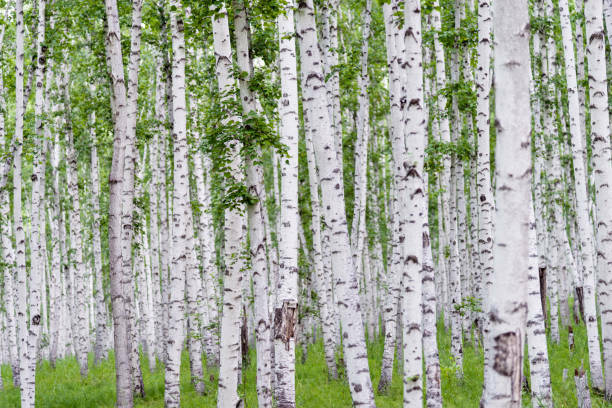
If you’re a Michigan homeowner interested in adding or caring for birch trees Michigan landscapes, this guide is for you. Birch trees are among the most graceful and visually striking trees you can plant in your yard. With their peeling bark, delicate leaves, and seasonal charm, birches bring beauty and ecological value to residential properties.
Native Birch Species in Michigan
Michigan hosts several birch species native to the state, each with its own unique traits:
-
Paper Birch (Betula papyrifera): Known for its iconic white, peeling bark, paper birch prefers full sun and well-drained, slightly acidic soil. It grows quickly but tends to have a shorter lifespan of 30–50 years.
-
Yellow Birch (Betula alleghaniensis): A taller, long-lived birch with bronze bark and a preference for moist, cool, acidic soil.
-
Mountain Paper Birch (Betula cordifolia): Very similar to paper birch, but with resin glands and slightly different leaf structure.
-
Bog Birch (Betula pumila): More shrub-like, often multi-stemmed, and found in swampy or wet areas.
-
Murray Birch (Betula murrayana): A rare species with very few individuals in Michigan; not commonly found in residential settings.
There are also other birches you may see in Michigan that challenge whether they’re native or introduced:
-
River Birch (Betula nigra): While some debate its native status here, river birch is often planted ornamentally. It thrives in moist soils and tolerates partial shade.
-
Grey Birch (Betula populifolia): A pioneer species that tolerates poor, sandy soils and full sun.
-
Sweet Birch (Betula lenta): Not native to Michigan, but may appear in landscapes; has dark, scaly bark as it matures.
Birch Tree Care in Michigan
Caring for birch trees well is key to ensuring they thrive. Here are the essentials:
-
Site and Soil Requirements
-
Most birches prefer well-drained, slightly acidic soils.
-
Soil pH for many birches ranges from 5.0–7.0 depending on species.
-
For river birch, wetter or clay-rich areas work well; for paper birch, better drainage is helpful.
-
-
Sunlight & Moisture
-
Paper birch: Full sun.
-
Yellow birch: Partial shade is okay; it enjoys cool, moist soil.
-
Bog birch: High moisture, even saturated soils.
-
-
Watering
-
Newly planted birches need regular watering until established.
-
For species like river and bog birch, keep the soil consistently moist.
-
-
Mulching
-
Use organic mulch around the base to retain moisture and regulate soil temperature.
-
Avoid piling mulch up against the trunk; leave a small gap to prevent rot.
-
-
Pruning
-
Prune lightly to remove dead or crossing branches.
-
Best done in late winter or early spring before new growth.
-
Pests and Diseases to Watch For
Birch trees in Michigan face several common threats:
-
Bronze Birch Borer (BBB): One of the most serious pests. It tunnels under the bark of stressed birches and can kill them over a few years.
-
Birch Leafminer: Larvae feed inside leaves, causing curling, brown blotches, and early leaf drop.
-
Aphids: These sap-sucking insects can weaken young trees and lead to sooty mold.
-
Leaf Spot Diseases (e.g., Anthracnose, Septoria): Fungal spots on leaves, sometimes leading to premature defoliation.
-
Cankers / Fungal Infections: These can appear as sunken, discolored patches on bark.
-
Armillaria Root Rot: A root‑rotting fungus that’s often fatal; look for mushrooms at the base of the tree.
Common Questions from Michigan Homeowners
Q: Which birch species is native to Michigan?
A: There are at least five native species, including paper, yellow, mountain, bog, and rare Murray birch.
Q: Can birch trees be planted close to my house?
A: It’s not ideal. Birch roots are relatively shallow, so experts recommend planting them 20–30 feet away from your house, driveways, or walkways.
Q: What is the typical lifespan of a birch tree in Michigan?
A: It varies. For example, paper birch often lives around 30–50 years; yellow birch can live much longer, sometimes over 150 years under ideal conditions.
Q: Are birch trees high maintenance?
A: They can be. While birches look beautiful, they are vulnerable to pests like the bronze birch borer and require proper site conditions, regular watering, and occasional disease management.
Conclusion
Birch trees bring elegance, seasonal interest, and ecological benefits to Michigan landscapes. Whether you’re dealing with graceful paper birches or hardy river birches, caring for them properly will go a long way toward keeping them healthy and attractive. If you ever notice pests like the bronze birch borer or symptoms of disease, it’s wise to call in expert help. At Longtree Tree Service, our ISA‑certified arborists are ready to assess your birch trees, offer customized care plans, and help ensure your trees thrive for years to come. Give us a call to get started!