Pavement vs Concrete: Which Suits You Best?
Posted by jimmy smith
Filed in Business 332 views
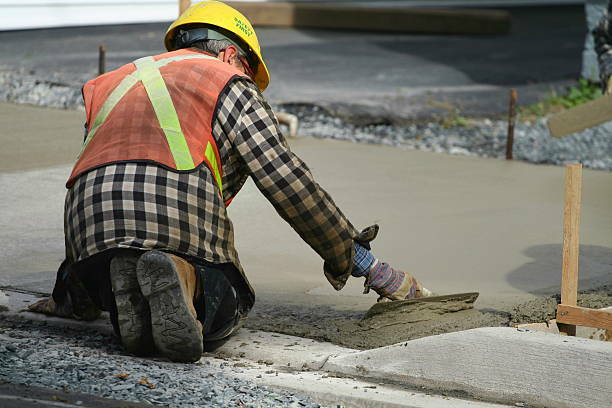
When you're planning a new driveway, patio, or road surface, one of the most important decisions you’ll face is pavement vs concrete. While both options can provide a solid, long-lasting surface, they differ significantly in terms of cost, durability, maintenance, and aesthetics. This guide will walk you through the pros and cons so you can make an informed choice.
What Do We Mean by “Pavement”?
“Pavement” is a broad term that often refers to asphalt (bitumen-based) surfaces used for roads, driveways, and parking lots. Unlike rigid concrete, asphalt pavement is flexible, making it more forgiving under load or shifting ground.
Concrete: The Rigid Alternative
Concrete is a mixture of cement, water, and aggregate (like gravel or sand). When it dries, it forms a rigid, strong surface that can bear heavy loads and resist deformation.
Comparing Pavement and Concrete
1. Cost & Installation
-
Pavement/Asphalt: Typically has a lower initial cost because asphalt material is cheaper and the installation process is faster.
-
Concrete: More expensive upfront — labor, material, and equipment costs are generally higher.
-
Curing Time: Asphalt can often be used soon after installation, while concrete needs time to cure, delaying full use.
2. Durability & Lifespan
-
Concrete: This is where concrete shines — it can last 30–50 years (or more) when properly constructed.
-
Pavement/Asphalt: Normally lasts 20–30 years, though this depends heavily on maintenance and climate.
-
Load Bearing: Concrete’s rigid structure spreads weight over a larger area, making it very suitable for heavy-traffic or industrial areas.
-
Flexibility: Asphalt is more flexible, which allows it to flex under stress and ground movement without cracking as easily as concrete.
3. Maintenance
-
Pavement/Asphalt: Needs more frequent maintenance (e.g., sealcoating every few years) to prevent degradation.
-
Concrete: Requires less frequent maintenance, but when it does crack, the repair can be more involved and costly (often involves replacing entire slabs).
-
Chemical Resistance: Concrete is resistant to oil and chemical spills better than asphalt, which can soften or deteriorate on exposure.
4. Environmental Impact
-
Asphalt: Made from petroleum-based materials, but it's highly recyclable — old asphalt can be reused in new mixes.
-
Concrete: Cement production is energy‑intensive and has a significant carbon footprint, but concrete can be crushed and recycled as aggregate.
-
Heat Reflection: Concrete tends to reflect more sunlight (lighter color), helping reduce heat absorption, whereas asphalt is darker and retains more heat.
5. Climate Considerations
-
Hot Climates: Asphalt can soften in high heat, which may lead to rutting or deformation.
-
Cold / Freeze-Thaw Regions: Concrete, because of its rigidity, can crack under freeze-thaw cycles unless properly designed, but with the right mix it performs very well.
-
Curing or Installation Constraints: Concrete’s longer curing time may be a drawback in climates or projects where downtime matters; asphalt may allow faster re-opening.
6. Aesthetics & Versatility
-
Concrete: Offers more design flexibility — it can be stamped, colored, or textured to match architectural styles.
-
Asphalt: More limited in appearance (mostly dark), but provides a smooth, uniform surface that many find functional and clean.
When to Choose Which
Choose Pavement/Asphalt if:
-
Your budget is tight and you want lower upfront costs.
-
You need a surface quickly and want minimal project downtime.
-
You expect to maintain it regularly (sealcoat, patch).
-
Your ground or sub-base may shift (asphalt can flex more).
Choose Concrete if:
-
You want a very long-lasting surface and are okay with a higher initial investment.
-
Your project involves heavy traffic or loads (e.g., driveways, industrial areas).
-
You prefer a more customizable and decorative finish.
-
You want less frequent maintenance over the life of the pavement.
Conclusion
In the pavement vs concrete debate, there’s no one-size-fits-all answer — the best material depends on your budget, climate, usage, and long-term goals. If longevity, minimal maintenance, and strong load-bearing are top priorities, concrete tends to win. But if you want something more affordable, fast to install, and flexible, asphalt pavement may be the smarter choice.
If you're looking for expert guidance and high-quality installation in Palm Beach County, PUP Pavers and Turf can help you choose the right material and ensure a top-notch finish. Trust our team to turn your vision into a durable, beautiful reality.