Cool Benefits of White Roofing for Homes
Posted by jimmy smith
Filed in Business 225 views
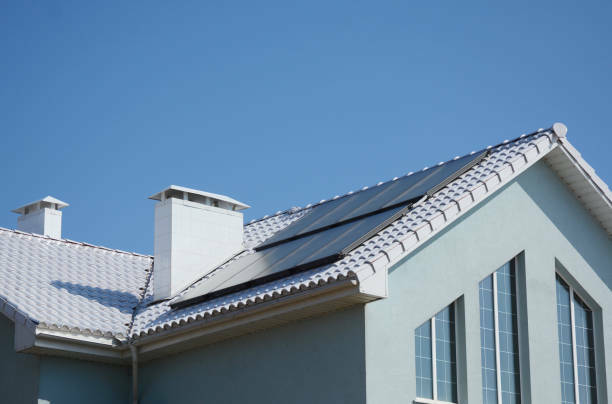
When you're considering a white roof, also known as white roofing, you’re essentially opting for a “cool roof” technology designed to reflect more sunlight and absorb less heat. This simple but powerful shift can transform the way your home handles summer heat, roofing costs, and even environmental impact.
What Is White Roofing?
White roofing refers to roofs that use light-colored, highly reflective materials — such as special pigments, elastomeric coatings, or membranes — to reflect a large portion of sunlight away from the building. A clean white roof can reflect around 60–90% of sunlight, keeping roof surfaces significantly cooler than conventional darker roofs.
Key Advantages of White Roofing
-
Energy Savings & Reduced Cooling Costs
Because white roofs reflect more solar energy, less heat enters the home, which reduces the demand on air conditioning systems. Some studies suggest energy savings of 10–50%, depending on insulation and climate. -
Longer Roof Lifespan
High reflectivity helps minimize thermal stress — the repeated expansion and contraction that can damage roofing materials. White coatings also shield the roof from harmful UV rays, meaning less wear and tear over time. -
Environmental Benefits
White roofs help mitigate the urban heat island effect, where dark surfaces in cities trap heat and raise ambient temperatures. Additionally, they can reduce carbon emissions: over a 20-year life, a 1,000 ft² white roof may offset around 10 tons of CO₂ compared to a darker roof. -
Improved Comfort
Lower roof temperatures translate to cooler indoor spaces, which improves comfort without over-relying on HVAC systems.
Challenges & Considerations
-
Maintenance: White roofs can accumulate dirt, debris, and pollutants, which can reduce their reflectivity over time. Regular cleaning or re-coating might be needed to maintain efficiency.
-
Winter Heating Penalty: In colder climates, white roofs may reflect beneficial heat during winter, potentially increasing heating needs.
-
Aesthetic Concerns: The bright, clean look may not suit every architectural style or neighborhood.
-
Cost: Upfront costs are often higher than traditional roofing — though the long-term savings can offset this.
Is White Roofing Right for You?
Here are a few questions to help determine if white roofing is a good fit:
-
Do you live in a hot, sunny climate where cooling costs are high?
-
Is your building designed in a way that maximizes sun exposure on the roof?
-
Can you commit to some maintenance (cleaning or recoating) to preserve reflectivity?
-
Are long-term energy savings more important to you than the initial installation cost?
If you answered “yes” to most of these, then white roofing could be a very smart investment.
Conclusion
In summary, white roofing offers compelling benefits: lower energy bills, longer roof life, and positive environmental impact. While it may require a bit more maintenance and a higher upfront cost, the payoff can be substantial — especially in warm climates. If you’re evaluating a cool-roof upgrade, Willowash Roofing is ready to help you explore whether a white roof is the right choice for your home. Their team can guide you through the materials, costs, and long-term advantages, ensuring you make a well-informed decision.