Efficient Electrical Systems for New Buildings
Posted by jimmy smith
Filed in Business 157 views
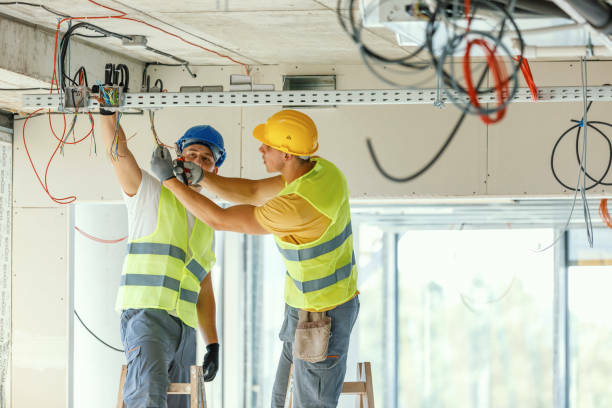
When it comes to electrical installation in building construction, early planning is everything. Whether you're building a home or a large commercial structure, the way you lay out the electrical system can profoundly impact safety, energy efficiency, and future scalability. In this post, we’ll walk through key considerations you need to know when navigating electrical wiring in a new build.
1. Early Design Integration
Before the walls go up, make sure your electrical plan is baked into the architectural and HVAC design. Collaborating with your architect and mechanical engineers ensures that lighting loads, outlet placement, and circuit distribution complement the building layout, reducing costly rework later. This is also the time to assess where switchboards, subpanels, and utility service entrance panels will go — placing them strategically for easy access and future expansion.
2. Load Calculations & Capacity Planning
Accurately estimating electrical load is central. Calculate demands for lighting, outlets, HVAC, appliances, and future systems (like EV charging or solar). Under-sizing can lead to circuit overloads; over-sizing wastes money. You’ll need to size the main service panel, choose appropriate wire gauges, and ensure you have the correct number of circuits and breakers for both current and anticipated future use.
3. Wiring Methods & Materials
Choosing the right type of wiring and conduit is critical. For many builds, copper conductors in conduit or cable will suffice; in others, especially in industrial or high-capacity scenarios, you might consider armored cable or even busways. Be sure to use wiring rated for the environment — moisture, temperature, and mechanical stress all affect longevity. Also, label all circuits clearly on the panel for easy identification and future maintenance.
4. Safety & Code Compliance
Complying with local and national electrical codes is non-negotiable. Ground-fault circuit interrupters (GFCIs), arc-fault protection, and proper grounding systems must be integrated into your design. Also, ensure your electricians use licensed professionals who understand the latest code requirements. Installing a proper grounding electrode system, surge protection devices, and adhering to bonding practices reduces risk of injury and protects equipment.
5. Energy Efficiency & Modern Upgrades
Energy-efficient wiring goes beyond just lights. Consider integrating LED lighting, smart occupancy sensors, and daylight harvesting systems to reduce consumption. Also, plan for renewable systems — for example, leave capacity in your conduit runs and panel for future solar inverters or battery storage. Smart meters and submetering can help monitor and manage usage across zones or tenants.
6. Flexibility & Scalability
In a newly constructed building, you’ll want your electrical system to be future-proof. Leave spare conduits, install larger pull boxes, and use accessible junction points to make later expansions easier. If you anticipate adding data, security, or automation systems, make sure to reserve space and capacity now — it’s far cheaper than retrofitting later.
7. Testing & Commissioning
After installation, thoroughly test your system. Perform insulation resistance tests, verify correct phasing, and run load tests. Commissioning should include validating panel labeling, checking GFCI and AFCI protection, and confirming that circuit breakers operate properly. Document everything — test results, wiring diagrams, and panel schedules — so you have a clear record for future maintenance and inspections.
8. Maintenance & Troubleshooting
Once the building is operational, regular maintenance becomes essential. Periodic inspections help catch wear, overheating, or loose connections before they become hazards. Encourage occupants or facility managers to report tripping breakers, flickering lights, or strange noises. A proactive approach — combining routine checks with good documentation — ensures longevity and safety.
Why It Matters
Getting the electrical installation right in building construction is more than just a checkbox — it's a foundation for safety, efficiency, and adaptability. When wiring is planned smartly, it minimizes risks, reduces long-term energy costs, and sets the stage for future growth, whether you're adding EV chargers, expanding floor space, or integrating renewable energy.
Conclusion
Proper electrical installation in building construction isn’t just about running wires — it’s about designing a system that’s safe, efficient, scalable, and aligned with your building’s vision. That’s where Alpha Omega Electric comes in: with our experience in new-construction wiring, code expertise, and dedication to quality, we help turn your blueprint into a robust and future-ready electrical infrastructure. Partner with Alpha Omega Electric for your next project and light the way with confidence.