When Mold Becomes a Legal Problem: Do You Need a Mold Lawyer?
Posted by Freya Parker
Filed in Arts & Culture 168 views
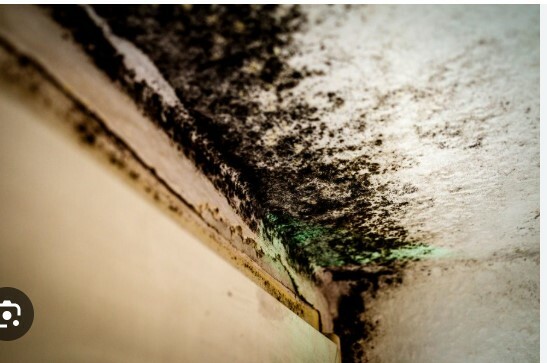
You found mold in your home. Maybe it's a dark patch behind the bathroom wall, or a musty smell that just won't go away no matter how many times you clean. You report it to your landlord. Weeks pass. Nothing happens—and now you're dealing with headaches, respiratory issues, and a growing sense that something is seriously wrong.
This is exactly the situation where a mold lawyer can make a real difference.
Toxic mold exposure is more than an inconvenience. It's a health hazard, a property damage issue, and in many cases, a legal matter. When landlords, property managers, or builders fail to address mold problems—especially ones they knew about—they can be held legally liable. Understanding your rights, and knowing when to call a mold attorney, could be the difference between suffering in silence and getting the compensation you deserve.
This guide breaks down what mold lawyers do, when you need one, and what to look for when hiring a mold attorney in Los Angeles or elsewhere.
What Does a Mold Lawyer Actually Do?
A mold lawyer is a legal professional who specializes in cases involving toxic mold exposure, property damage, and the negligence of landlords, builders, or other responsible parties. Their job is to help you pursue compensation for medical expenses, property damage, lost wages, and pain and suffering caused by mold exposure.
Mold attorneys handle a range of cases, including:
- Tenant vs. landlord disputes: When a landlord ignores mold complaints or fails to make necessary repairs
- Real estate disclosure claims: When a seller knowingly conceals mold during a property sale
- Construction defects: When poor workmanship or faulty materials lead to moisture intrusion and mold growth
- Insurance disputes: When an insurer wrongfully denies or underpays a mold-related claim
The common thread? Someone had a duty to act, they didn't, and you paid the price.
When Should You Consider Hiring a Mold Attorney?
Not every mold situation requires legal action. A small patch of surface mold in a well-ventilated bathroom, for instance, is usually manageable with standard cleaning. But certain situations signal that it's time to get a lawyer involved.
Your Landlord Is Ignoring the Problem
Under California law, landlords are legally required to maintain rental properties in a habitable condition. Mold that poses a health risk qualifies as a habitability issue. If you've reported the problem in writing and your landlord has failed to respond or make repairs within a reasonable timeframe, you may have grounds for legal action.
You've Suffered Health Consequences
Toxic mold—particularly black mold (Stachybotrys chartarum)—can cause serious health problems, including chronic respiratory issues, neurological symptoms, skin irritation, and immune system complications. If you or a family member has been diagnosed with a mold-related illness, a mold lawyer can help you build a case linking your health issues to the negligence of a property owner.
You Discovered Mold After Buying a Home
California law requires sellers to disclose known material defects—including mold—before completing a sale. If you purchased a home and later discovered mold that the seller knew about (or should have known about), you may have a valid real estate fraud or misrepresentation claim.
Your Insurance Claim Was Denied
Mold remediation is expensive. When insurance companies deny or undervalue legitimate claims, a mold attorney can push back, review your policy in detail, and pursue the compensation you're owed.
Mold Attorney Los Angeles: What You Need to Know
Los Angeles presents some unique challenges when it comes to mold. The combination of aging housing stock, periodic heavy rainfall, and the pressure of a competitive rental market can create conditions where mold problems go unreported or unaddressed for far too long.
Tenants in Los Angeles are protected by some of the strongest housing laws in the country. The Los Angeles Housing Department (LAHD) allows tenants to file complaints about substandard conditions, and landlords who fail to address habitability issues can face fines and legal consequences. But navigating that process—especially while dealing with health issues or a difficult landlord—is rarely simple.
A mold attorney Los Angeles who understands California's tenant protection laws, local housing codes, and the nuances of toxic tort litigation can be a significant asset. They know the local courts, the common defense strategies used by landlords and insurers, and how to gather the evidence needed to build a strong case.
What to Look for in a Los Angeles Mold Lawyer
Finding the right attorney matters. Here's what to prioritize:
- Relevant experience: Look for a lawyer who has handled mold, toxic tort, or habitability cases specifically—not just general personal injury
- Strong track record: Ask about past case outcomes and settlements
- Clear communication: Your attorney should be able to explain your legal options in plain language
- Contingency fee arrangements: Many mold lawyers work on a contingency basis, meaning you pay nothing unless they win your case
- Local knowledge: A mold attorney in Los Angeles will be familiar with state and local regulations that directly affect your case
How to Strengthen Your Mold Case
Before you meet with a mold lawyer, gathering the right documentation can significantly strengthen your position. Here's what to collect:
- Written records of complaints: Emails, texts, and letters sent to your landlord or property manager
- Photographic evidence: Time-stamped photos and videos of visible mold and any resulting property damage
- Medical records: Documentation of any diagnoses or treatments related to mold exposure
- Professional mold inspection reports: An independent inspection can confirm the type, extent, and source of mold
- Lease agreements and repair requests: These establish your landlord's responsibilities and any failures to meet them
The stronger your documentation, the better your chances of a favorable outcome.
How Long Do You Have to File a Mold Claim in California?
Timing matters. In California, the statute of limitations for personal injury claims is generally two years from the date you discovered (or reasonably should have discovered) the injury. For property damage claims, you typically have three years.
These deadlines can be easy to miss, especially when you're focused on your health or still in the middle of a dispute with your landlord. Consulting a mold lawyer sooner rather than later ensures you don't lose your right to pursue legal action.
Take Action Before the Problem Gets Worse
Mold doesn't fix itself. And neither do the legal issues that come with it. If you're dealing with a landlord who won't act, a seller who didn't disclose, or an insurer who won't pay, the most important step you can take right now is to speak with a qualified mold attorney.
A mold attorney in Los Angeles can evaluate your case, explain your rights, and help you understand what compensation you may be entitled to—often at no upfront cost. The longer you wait, the more complicated the situation can become: evidence disappears, health conditions worsen, and legal deadlines creep closer.
You deserve to live in a safe environment. If someone's negligence has put that at risk, the law may be on your side.