7 Ways Neurodiversity Training Transforms Company Culture
Posted by Mark Smith
Filed in Business 235 views
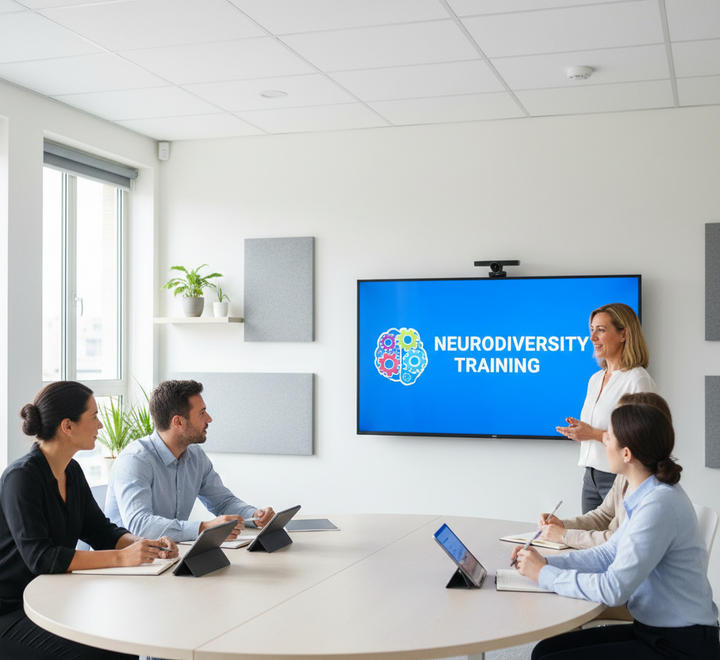
Company culture isn't just about ping-pong tables and casual Fridays—it's the invisible force that shapes how employees interact, innovate, and thrive. As organizations increasingly recognize the value of cognitive diversity, neurodiversity training has emerged as a powerful catalyst for cultural transformation. Here are seven profound ways this training reshapes workplace culture from the ground up.
1. Shifts From Conformity to Authenticity
Traditional corporate cultures often reward conformity, expecting employees to fit a predetermined mold of professional behavior. Neurodiversity training disrupts this paradigm by teaching organizations to value authenticity over assimilation. When companies understand that neurological differences aren't deficits but variations, they create space for employees to show up as their genuine selves.
This shift has ripple effects throughout the organization. Neurodivergent employees no longer expend enormous energy masking their natural tendencies to appear "normal." Research indicates that masking can lead to burnout, anxiety, and decreased job satisfaction. When employees can be authentic, they redirect that energy toward productive work and creative contribution.
Neurotypical employees also benefit from this cultural shift. When authenticity becomes valued over conformity, all employees feel more permission to bring their whole selves to work, whether that relates to neurodiversity or other aspects of identity. The result is a more genuine, engaged workforce where people feel psychologically safe expressing diverse perspectives and working styles.
2. Replaces Assumptions With Curiosity
Perhaps one of the most transformative aspects of neurodiversity training is how it replaces assumption-based thinking with curiosity-driven inquiry. Before training, employees might assume a colleague who doesn't participate in brainstorming sessions isn't engaged or interested. After training, they become curious: Does this person need more processing time? Would they contribute more effectively through written input? Do they have sensory sensitivities that make group settings challenging?
This cultural shift from judgment to curiosity extends far beyond neurodiversity issues. It creates a general organizational mindset where differences prompt questions rather than conclusions. Teams become more inquisitive about why processes work for some people and not others, leading to continuous improvement in systems and practices.
Organizations with curiosity-driven cultures are also more innovative. When people feel comfortable asking "why do we do it this way?" and "what if we tried something different?" they challenge status quo thinking and discover more effective approaches. Neurodiversity training plants the seeds for this cultural evolution by modeling curiosity as the appropriate response to difference.
3. Democratizes Definitions of Productivity
Neurodiversity training fundamentally challenges traditional notions of what productivity looks like. Many workplace cultures equate productivity with specific behaviors: arriving early, working long hours, attending every meeting, or maintaining constant availability. For neurodivergent individuals, these markers often conflict with optimal performance strategies.
Training helps organizations recognize that productivity should be measured by outcomes rather than appearance. An employee with ADHD might produce exceptional work during intense hyperfocus sessions but need frequent breaks between tasks. Someone on the autism spectrum might generate brilliant insights through written analysis but struggle with verbal presentations. A person with dyslexia might take longer to process written reports but excel at visual problem-solving.
As companies embrace these varied productivity styles, they develop more sophisticated and equitable performance metrics. Flexible work arrangements become normalized rather than stigmatized. Alternative schedules, remote work options, and task-based rather than time-based evaluation all become standard cultural practices that benefit neurodivergent and neurotypical employees alike.
4. Builds Empathy Into Leadership
Leadership development takes on new dimensions when neurodiversity training becomes part of company culture. Leaders learn that effective management isn't about treating everyone the same—it's about understanding individual needs and providing appropriate support. This individualized approach requires empathy, active listening, and willingness to adapt management styles.
Managers trained in neurodiversity awareness conduct more meaningful one-on-one meetings where they genuinely explore how each employee works best. They learn to ask questions like "What environment helps you focus?" and "How do you prefer to receive feedback?" rather than imposing uniform management approaches. This personalized leadership style acknowledges that human brains operate differently and that accommodating these differences strengthens rather than weakens team performance.
The empathy cultivated through neurodiversity training doesn't remain confined to neurodiverse interactions. Leaders who develop these skills become more empathetic across all dimensions of diversity, creating more supportive relationships with employees facing various challenges, from caregiving responsibilities to health issues to cultural adjustments.
5. Creates System-Level Accessibility
One of the most lasting cultural impacts of neurodiversity training is the shift toward system-level accessibility rather than individual accommodation. Instead of viewing accommodations as special exceptions granted to specific employees, organizations begin designing processes, spaces, and technologies that work for the broadest range of neurotypes from the outset.
This universal design approach transforms physical workspaces. Companies create quiet zones for employees who need to minimize sensory input, collaborative spaces for those who thrive on interaction, and flexible environments that support various working styles. They provide noise-canceling headphones, adjustable lighting, and ergonomic options as standard offerings rather than special requests.
Digital systems also become more accessible. Organizations adopt platforms with customizable interfaces, provide information in multiple formats, and design workflows that don't assume everyone processes information identically. Meeting practices evolve to include agendas distributed in advance, visual aids, and alternative participation methods. These systematic changes benefit everyone while ensuring neurodivergent employees can participate fully without needing to repeatedly request accommodations.
6. Strengthens Innovation Through Cognitive Diversity
Companies that embrace neurodiversity training discover that cognitive diversity becomes a competitive advantage. Neurodivergent individuals often bring unique problem-solving approaches, pattern recognition abilities, and creative perspectives that complement neurotypical thinking. When company culture actively values these contributions rather than trying to normalize them away, innovation accelerates.
Organizations learn to structure innovation processes to leverage diverse cognitive styles. Design thinking sessions might include both rapid verbal brainstorming and reflective individual contribution time. Problem-solving teams intentionally mix cognitive approaches, pairing linear thinkers with non-linear explorers, detail-oriented analysts with big-picture visionaries. The culture celebrates breakthrough ideas regardless of whether they emerge from traditional or unconventional thinking patterns.
This innovation-positive culture also reduces groupthink. When neurodivergent perspectives are actively sought and valued, teams challenge assumptions more effectively and consider a wider range of solutions. The result is more robust decision-making and more creative organizational responses to challenges.
7. Establishes Continuous Learning Mindsets
Perhaps the most profound cultural transformation is the establishment of continuous learning as a core organizational value. Neurodiversity training introduces employees to the concept that brains work differently, that optimal working conditions vary, and that there's always more to learn about supporting human diversity. This naturally extends into broader cultural attitudes about learning and development.
Organizations with neurodiversity-informed cultures normalize the acknowledgment of what we don't know. Employees feel comfortable saying "I need to learn more about this" or "Can you help me understand?" without fearing judgment. Mistakes become learning opportunities rather than failures. The culture prizes growth over perfection and values progress over immediate expertise.
This learning orientation makes organizations more adaptable. As workplace challenges evolve, companies with continuous learning cultures respond more effectively because employees are already accustomed to questioning assumptions, seeking new information, and adjusting approaches based on better understanding. The skills developed through neurodiversity awareness—flexibility, curiosity, empathy, and willingness to adapt—become organizational capabilities that drive long-term success.
The Ripple Effect of Cultural Transformation
The cultural changes initiated by neurodiversity training rarely remain confined to their original purpose. When organizations learn to value neurological differences, question assumptions, prioritize authenticity, and design inclusive systems, these principles naturally extend to other diversity dimensions. The culture becomes more welcoming for people of all backgrounds, abilities, and perspectives.
Employees in neurodiversity-informed cultures report higher job satisfaction, stronger sense of belonging, and greater loyalty to their organizations. Recruitment becomes easier as the company's reputation for inclusion attracts top talent. Innovation metrics improve as cognitive diversity generates more creative solutions. The return on investment in neurodiversity training extends far beyond compliance or accommodation into fundamental business advantage.
At Elevate Up, we understand that transforming company culture requires more than one-time training sessions—it demands comprehensive, sustained commitment to neurodiversity awareness and inclusion. Based in the UK, we're proud to serve organisations across Britain and internationally, bringing expertise in neurodiversity training that's tailored to the unique needs of UK workplaces. Our specialized programmes guide organizations through every stage of cultural transformation, from initial awareness building to system-level redesign and ongoing support. We work with leadership teams, HR departments, and employees at all levels to embed neurodiversity best practices into the fabric of your organisation. Ready to transform your company culture and unlock the full potential of cognitive diversity? Partner with Elevate Up to create a workplace where every brain thrives. Visit elevate-up.org to explore our customised training solutions and begin your journey toward a more innovative, inclusive, and successful organisation.