Tips for Nurses Transitioning Into Telehealth Roles
Posted by John Bailey
Filed in Health 247 views
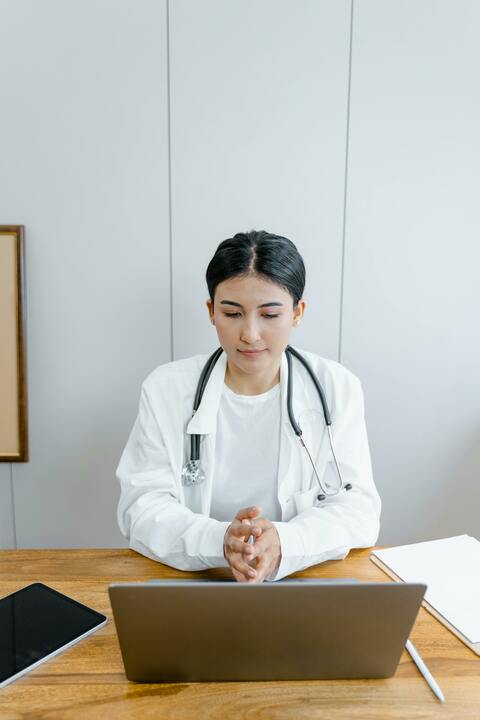
Telehealth nursing has become an important part of healthcare today. Many nurses may wonder, “What does a telehealth nurse do?” as they consider moving into this field. Unlike traditional nursing, telehealth combines clinical knowledge with technology. You connect with patients through video, chat, or remote monitoring rather than in person. This shift can feel unfamiliar at first, but with the right approach, it can become a rewarding way to care for patients while gaining flexibility.
If you are thinking about making the transition, knowing the tools, skills, and habits needed will make the process smoother. Let’s walk through the tips that help nurses successfully adapt to telehealth roles.
Understand the Telehealth Environment
What to Expect in Virtual Care
Telehealth nursing differs from bedside care in several ways. For one, your primary interaction with patients happens through a screen. This changes how you assess symptoms, interpret nonverbal cues, and communicate instructions. Schedules can be more flexible, but work often relies on technology and digital platforms.
You may also find yourself spending more time documenting care or following up digitally. Even though it feels different, your ability to care and connect remains just as critical. By understanding these shifts early, you can prepare for a smoother transition.
Skills You Already Have
Your existing nursing skills are highly valuable in telehealth. These include:
-
Active listening to understand patient needs
-
Clinical judgment for making safe care decisions
-
Accurate documentation for patient records
Even if the setting changes, these core skills remain central. Telehealth builds on what you already know rather than replacing it.
Master Essential Telehealth Technology
Technology plays a central role in telehealth nursing. Being comfortable with these tools is essential to your daily work.
Communication Platforms
Video conferencing platforms allow real-time patient visits. Nurses rely on secure messaging for follow-ups and file sharing to transmit lab results or care instructions. These features help maintain clear communication and patient trust.
Remote Monitoring Devices
Remote patient monitoring tools track vital signs and other health data. They help nurses identify trends or early warning signs. Common devices include:
-
Blood pressure cuffs and pulse oximeters
-
Glucose meters for diabetic patients
-
Wearable heart monitors
Using these tools accurately ensures safe and timely care.
Improve Virtual Assessment Skills
Observing patients through a screen requires a slightly different approach. Visual cues, like skin color or breathing patterns, become more important. Nurses need to ask clear and precise questions to gather necessary information.
Documenting findings efficiently in electronic health records is critical. This helps maintain accurate care plans and ensures other providers stay informed. Sometimes small details, like patient posture or expressions, provide key information you might otherwise notice in person.
Set Up Your Home Workspace
Create a Professional Environment
A quiet, organized workspace improves both your focus and patient experience. Consider these tips:
-
Keep a clutter-free background
-
Ensure proper lighting for video calls
-
Arrange devices for easy access
Ergonomics and Comfort
Working from home can be physically taxing if your setup is not ergonomic. Small changes can make a big difference:
-
Adjust chair and desk height for comfort
-
Position your screen at eye level
-
Take short breaks to reduce fatigue
A well-arranged workspace helps maintain professionalism and keeps you energized throughout the day.
Learn Telehealth Regulations and Best Practices
Telehealth requires understanding rules that protect patient privacy and safety. HIPAA compliance is essential when using communication tools. Nurses must follow state-specific documentation and legal guidelines.
Short, clear habits ensure you stay compliant:
-
Keep patient information secure and private
-
Log out of systems after each session
-
Follow local regulations consistently
Staying informed reduces errors and builds trust with patients.
Develop Strong Communication and Bedside Presence Online
Rapport with patients is key, even through a screen. Use tone, eye contact, and empathy to connect effectively. Strategies include:
-
Speaking slowly and clearly
-
Repeating instructions when needed
-
Encouraging patient questions
Even small gestures, like nodding or summarizing a patient’s concern, enhance connection and trust.
Seek Mentorship and Ongoing Education
Learning from experienced telehealth nurses can reduce mistakes and speed adaptation. Online modules, workshops, and certifications also strengthen your skills. These resources support confidence and ensure you stay up to date.
Peer mentorship provides real-world tips. Continuous education helps you handle new technology and changing protocols confidently.
Manage Work-Life Balance in Remote Roles
Telehealth can blur boundaries between work and home. Setting limits helps maintain well-being:
-
Schedule breaks between appointments
-
Keep dedicated work hours
-
Use task management tools to stay organized
Balancing responsibilities prevents burnout and supports long-term career satisfaction.
Prepare for Career Growth in Telehealth
Telehealth nursing opens doors to advanced roles, such as leadership positions or specialized care programs. Experience with virtual care tools can improve job prospects and professional confidence.
Strong tech skills, patient communication, and documentation expertise help nurses move into higher responsibility roles. Over time, the telehealth experience becomes a valuable part of your professional portfolio.
Conclusion
Transitioning into telehealth requires understanding technology, improving virtual assessment skills, creating a professional workspace, and maintaining balance. It also calls for continuous learning and effective communication. With these steps, nurses can adapt smoothly while providing safe, high-quality care.
HealthCareTalentLink (HCTL) supports nurses navigating this career path. Through our platform, you can explore opportunities, access resources, and connect with employers who value telehealth expertise. Visit HCTL, a trusted healthcare employment platform, and discover roles that match your skills and goals.