How Do You Plan and Book Rifugios for the Alta Via 1 Hike?
-
July 19, 2026 5:04 AM PDT
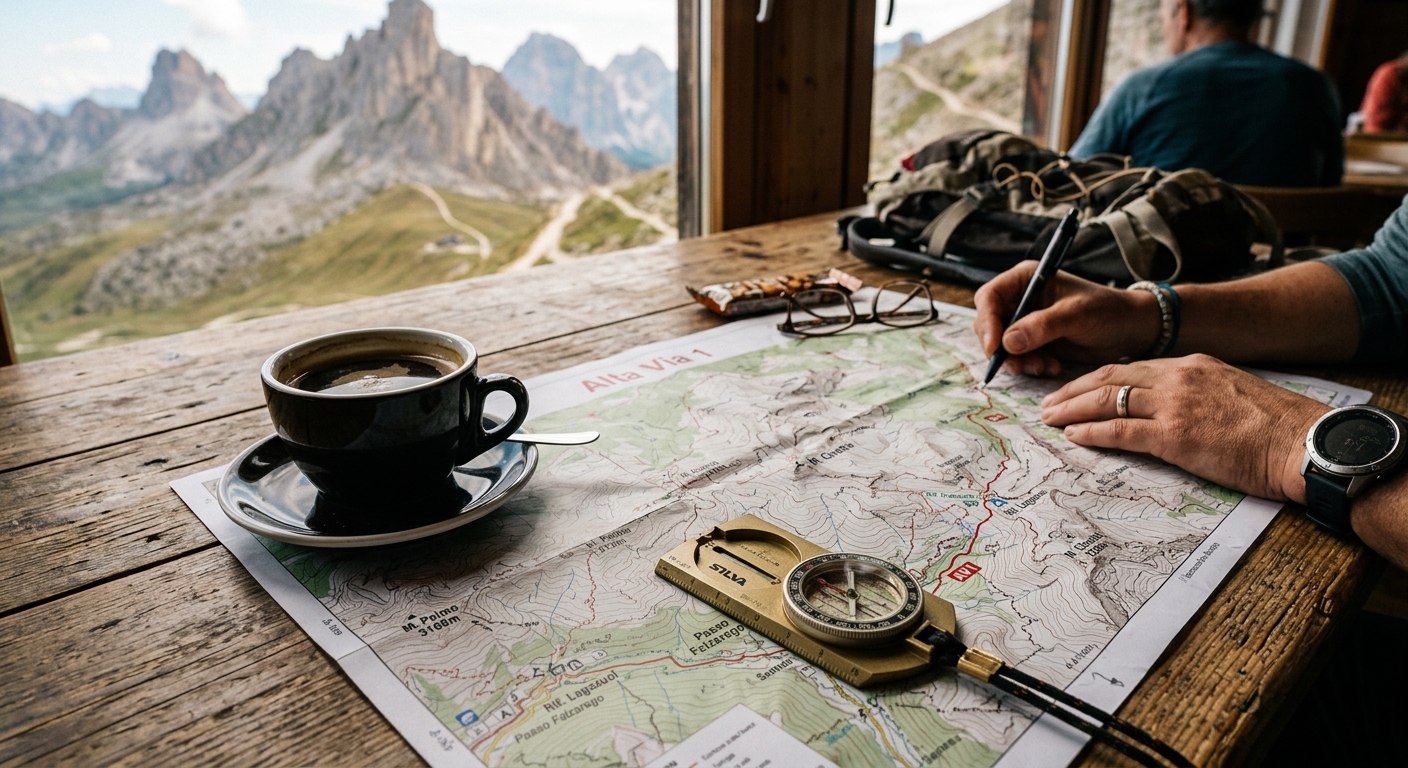
Planning and booking huts for the Alta Via 1 requires mapping your daily route and securing reservations months in advance. You must book directly through each hut's website or email. To guarantee a spot, finalize your itinerary and contact the rifugios between December and February for summer dates.
What Is the Alta Via 1?
Definition: The Alta Via 1 is a world-famous, 120-kilometer high-alpine hiking trail through the Italian Dolomites. Stretching from Lago di Braies to Belluno, it takes most hikers 8 to 12 days to complete, requiring overnight stays in catered mountain huts known as rifugios.
Why Is Booking Alta Via 1 Huts Important?
The hiking season in the Dolomites is incredibly short, generally running from late June to mid-September. During this time, thousands of hikers from around the world flock to the region.
Rifugios have very limited capacities, and wild camping is strictly prohibited by local law. If you do not book your huts in advance, you risk being stranded in the mountains without food or shelter. Booking early is the only way to secure a safe, legal, and comfortable journey.
How Do You Plan Your Alta Via 1 Itinerary?
Planning your route requires understanding your physical limits and calculating the distances between available mountain huts. Follow these steps to map out your journey:
-
Calculate your daily pace: Determine how many hours you can comfortably hike each day, factoring in elevation changes.
-
Select your entry and exit points: Decide if you will hike the full 120km or a shorter section.
-
Map the distances between huts: Use a reliable topographic map or app to find rifugios along your chosen route.
-
Create a backup plan: Identify secondary huts that are a few kilometers before or after your ideal stops in case your first choices are fully booked.
-
Contact the huts directly: Reach out to each rifugio via their official online booking portal or email to request your dates.
What Are the Room Options in a Rifugio?
When booking your Alta Via 1 huts, you will usually have to choose between two main types of accommodations.
Feature Private Rooms Shared Dormitories Privacy High (2 to 4 beds) Low (6 to 20+ beds) Cost More expensive Very budget-friendly Availability Sells out extremely fast Generally easier to book Noise Level Quiet High (earplugs recommended) What Are the Benefits of Staying in Rifugios?
Choosing to hike hut-to-hut completely changes your trekking experience. Instead of roughing it, you get to enjoy the hospitality of the Italian Alps.
-
Lighter backpacks: You do not need to carry a heavy tent, sleeping pad, or cooking stove.
-
Warm meals: You can enjoy hearty, local Italian dinners and buffet breakfasts every day.
-
Comfortable rest: You get a real bed, warm blankets, and often access to hot showers.
-
Community: You get to share stories and drinks with hikers from all over the world.
What Are the Common Mistakes People Make?
The biggest mistake hikers make is waiting until spring to book their huts. By March or April, the most popular rifugios, like Rifugio Lagazuoi or Rifugio Fanes, are completely sold out.
Another frequent error is underestimating the terrain. Hikers often plan their routes based on flat kilometers rather than elevation gain. This leads to exhausting days where hikers arrive late to their huts and miss dinner.
How Can Beginners Get Started?
If you are new to alpine trekking, start by hiking a shorter section of the Alta Via 1. The northern half, from Lago di Braies to Cinque Torri, is incredibly scenic and takes only three to four days.
Always book "half-board" (mezza pensione) when reserving your huts. This includes your bed, dinner, and breakfast, which takes the stress out of planning your meals. Pack light, and make sure your hiking boots are fully broken in before you arrive in Italy.
Expert Tips for Better Booking Results
Do not rely on third-party booking platforms; they rarely have accurate availability for remote mountain huts. Always use the official website of the specific rifugio.
If a hut is fully booked, ask them to put you on their cancellation waiting list. Plans change, and spots often open up in May or June. Additionally, joining an Alpine Club (like the CAI or AAC) can sometimes get you priority booking or discounts at participating huts.
Real-World Example: Booking the Northern Section
Consider the case of two hikers planning a 4-day trek on the northern Alta Via 1. They started their planning in early December. They wanted to stay at Rifugio Biella, Rifugio Fanes, and Rifugio Lagazuoi.
Because they emailed the huts on January 2nd, immediately after the booking windows opened, they secured private rooms for all three nights. They paid their deposits via bank transfer by mid-January, finalizing their trip six months before their summer departure. Their proactive approach guaranteed a stress-free hike.
Frequently Asked Questions
When should I book Alta Via 1 huts?
You should book your Alta Via 1 huts between December and February for the upcoming summer season. Popular huts sell out very quickly, so reaching out as soon as they open their booking systems is highly recommended.
Can you wild camp on the Alta Via 1?
No, wild camping is strictly illegal in the regions covering the Alta Via 1 to protect the fragile alpine ecosystem. You must sleep in designated mountain huts or established valley campsites.
Do Alta Via 1 huts take credit cards?
Many modern rifugios now accept credit cards, but you should always carry enough cash. Wi-Fi and card machines frequently go down during mountain storms, making cash your only reliable payment method.
What does "half-board" mean at a rifugio?
Half-board is an accommodation package that includes your bed for the night, a multi-course hot dinner in the evening, and a basic breakfast the next morning. It is the most convenient option for hikers.
How much does it cost to stay in an Alta Via 1 hut?
Staying in a rifugio typically costs between €60 and €100 per person, per night, when booking a half-board package. Dormitory beds fall on the lower end, while private rooms are more expensive.
Do I need to bring a sleeping bag for the Alta Via 1?
You do not need a full sleeping bag, as the huts provide heavy wool blankets or duvets. However, you are legally required to bring and use a lightweight sleeping bag liner for hygiene purposes.
Conclusion
Successfully hiking the Alta Via 1 comes down to careful route planning and securing your mountain huts well in advance. By mapping your daily distances, contacting rifugios between December and February, and choosing half-board options, you guarantee a comfortable and safe adventure in the Dolomites. Do not wait until spring to start planning—grab a topographic map today, outline your ideal itinerary, and send out those booking emails.
-