What Are the Symptoms of Urinary Blockage in Cats Every Owner Must Recognize
-
March 26, 2026 11:08 AM PDT
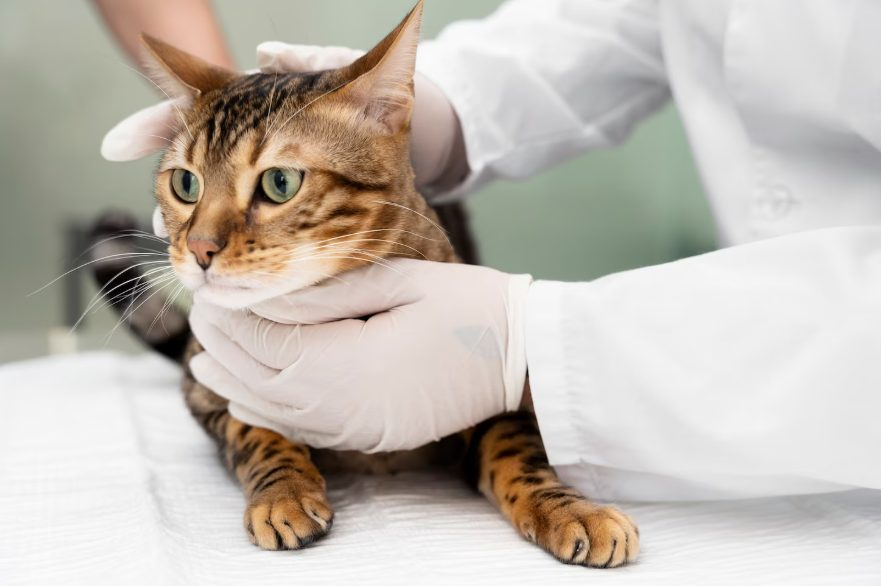
The sound of your cat purring peacefully is one of life’s simplest comforts, which is why it becomes so alarming when something suddenly feels off. A urinary tract blockage in cats is a serious and fast-developing emergency that can quickly turn life-threatening. Recognizing the symptoms early is one of the most important things a cat owner can do, because timely action can truly save your pet’s life.
Feline lower urinary tract disease (FLUTD) includes several conditions that affect a cat’s bladder and urethra. While some issues, such as a mild UTI, may only cause discomfort, a complete blockage prevents urine from leaving the body altogether. This leads to a dangerous buildup of toxins, causing severe pain, organ damage, and potentially death if not treated quickly. Understanding subtle behavioral changes in your cat can make all the difference in getting help on time.
Understanding Feline Urinary Anatomy and Blockage
To fully understand how dangerous this condition is, it helps to know how a cat’s urinary system works. The kidneys filter waste from the blood and produce urine, which travels to the bladder and exits through the urethra. In male cats, the urethra is narrower and longer, making them more prone to blockages, although females can also be affected.
A urinary tract blockage in cats happens when something obstructs this flow of urine. As urine builds up, toxins enter the bloodstream, leading to serious and often fatal complications if immediate treatment is not provided.
Why Do Blockages Occur in Cats?
There are several possible causes behind urinary blockages. In many cases, plugs made of mucus, crystals, and debris can form and block the urethra. Mineral stones may also develop in the bladder and become lodged in the urinary tract. Inflammation caused by conditions like feline idiopathic cystitis can swell the urethra enough to restrict urine flow. Less commonly, tumors or structural abnormalities may be responsible. Stress also plays a major role, as it can worsen urinary conditions and increase the risk of blockage.
Critical Symptoms of Urinary Blockage in Cats
Recognizing early signs is essential because symptoms can start mildly but quickly become severe. A urinary tract blockage in cats often begins with noticeable changes in urination habits and behavior.
One of the most obvious signs is straining to urinate. Your cat may repeatedly visit the litter box, stay there longer than usual, and still produce little or no urine. This is often accompanied by discomfort, and your cat may cry or vocalize while trying to urinate.
Another common sign is increased frequency of attempts to urinate. Even though little urine is passed, your cat may feel a constant urge to go. Some cats may begin urinating outside the litter box, not out of misbehavior but because they associate the litter box with pain or cannot control their urge.
You might also notice blood in the urine, which can appear pink or reddish. This indicates irritation or damage in the urinary tract and should never be ignored. Excessive licking of the genital area is another warning sign, as cats try to soothe the discomfort.
As the condition worsens, your cat may show general signs of pain such as restlessness, hiding, or a hunched posture. The abdomen may become swollen and extremely sensitive due to a distended bladder. In later stages, toxin buildup can lead to vomiting, loss of appetite, dehydration, and extreme lethargy. At this point, the situation is critical and requires immediate medical attention.
When to Seek Emergency Veterinary Care
A urinary tract blockage in cats is always an emergency. If your cat is unable to urinate or is straining with little output, you should seek veterinary care immediately. Waiting even a few hours can significantly worsen the condition.
Severe symptoms such as difficulty breathing, extreme weakness, vomiting, or complete loss of appetite indicate that toxins are already affecting the body. These signs should never be ignored, as they can quickly lead to life-threatening complications.
What to Expect at the Emergency Vet
At the emergency clinic, the veterinary team will act quickly to assess your cat’s condition. They will examine the abdomen to check for a swollen bladder and may perform blood tests and urinalysis to evaluate kidney function and toxin levels. Imaging such as X-rays or ultrasound may also be used to identify the cause of the blockage.
Treatment usually involves inserting a urinary catheter to relieve the obstruction and allow urine to flow again. Your cat may need to stay hospitalized for monitoring, IV fluids, and medications to reduce pain and inflammation. This step is critical in stabilizing their condition and preventing further complications.
Preventing Future Urinary Blockages
While not all cases can be prevented, there are steps you can take to reduce the risk of a urinary tract blockage in cats. Keeping your cat well-hydrated is one of the most effective methods, as it helps dilute urine and prevent crystal formation. Feeding wet food, maintaining a stress-free environment, and keeping litter boxes clean can also support urinary health.
Regular veterinary check-ups are equally important, as they help detect early signs of urinary issues before they become serious.
Conclusion
Understanding what are the symptoms of urinary blockage in cats is essential for every pet owner. A urinary tract blockage in cats is a life-threatening condition that requires immediate action. From straining in the litter box to lethargy and vomiting, every sign matters. Acting quickly gives your cat the best chance of recovery and prevents severe complications.
At North MS Pet Emergency, we are always ready to provide urgent and expert care when your pet needs it most.
FAQs
Q: What are the most common signs of a urinary blockage in a male cat?
A: Frequent attempts to urinate with little or no output, straining, pain, and excessive licking are common signs.Q: How quickly can a urinary blockage become life-threatening?
A: It can become critical within 24–48 hours if untreated.Q: Can female cats get a urinary blockage?
A: Yes, although less common, female cats can also develop blockages.Q: What should I do if I suspect a blockage?
A: Seek immediate veterinary care, as this is a medical emergency.Q: Are there home remedies for urinary blockage?
A: No, this condition requires urgent professional treatment.