Sheath Materials and Blade Profiles in Hunting Knives
Posted by The Knife Connection
Filed in Business 22 views
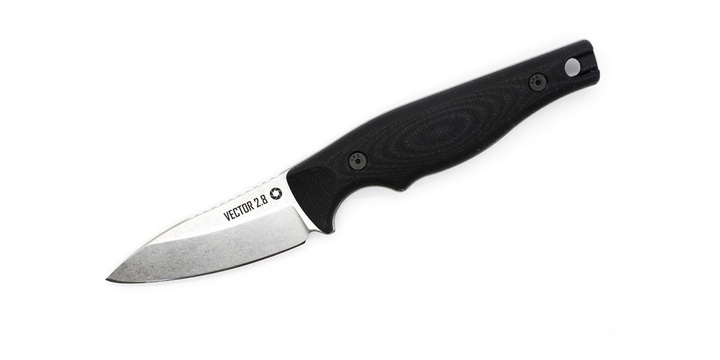
Two important attributes you will want to consider in any hunting knives are the blade profile and sheath material. This post will break down some of those details.
Hunting Knives and Blade Profile
Four of the more common knife blade profiles in hunting knives are as follows:
- Drop point: A drop point blade has a spine that curves down to meet the point. This is a very robust profile and one that is highly generalized, making it suitable for a wide range of tasks.
- Straight back: A straight back knife is like a drop point but the spine does not curve downward to meet the point. This profile is common in Scandinavian pattern blades, such as those produced by Martiini and Mora.
- Clip point: In a clip point knife, part of the spine near the point has been removed, creating an inward curve. It is usually swedged and sometimes sharpened. This pattern is common in Buck Knives such as the 110 Folding Hunter and 119 Special. It results in a fine point that is good for piercing and detail work, but it also results in a somewhat more fragile point.
- Skinner profile: Skinner profile blades, sometimes referred to as Nessmuk or “Muk” knives, have a wider blade and a more obtuse point, with a generously curved, swept belly that is designed for making long, arcing cuts. This makes them highly effective for skinning harvests, hence the name.
Hunting Knives and Their Sheaths
The sheath a hunting knife comes with will also impact its suitability in the field. Two of the most common sheath materials will be covered here.
- Leather: The traditional material from which sheaths for hunting knives are made, leather is durable, yet soft and supple. It is comfortable to wear, will protect the knife, and with time will break in, offering a custom-like fit and a beautiful patina. That said, leather is harder to care for and knives should not be stored in leather sheaths for prolonged periods of time because leather can accelerate rust.
- Thermoplastic: Thermoplastic knife sheaths, like Kydex, offer an excellent friction fit from day one. They require no maintenance, and though they lack the aesthetics of leather, thermoplastic knife sheaths more often than not offer much greater flexibility with respect to how they can be mounted.
Hunting Knife Care
Regardless of what type of hunting knife you get, here are some pointers for general case and maintenance:
- Always clean your hunting knives off after use.
- Never store a knife wet.
- Store your knives in cool, dry locations.
- Oil non-stainless alloys before storage.
- Never stick your knife into the ground as this will dull or damage the blade.
- Don’t place your knife among leaf litter or tall grass if you can avoid it as you might lose it.
- Keep your knives sharp; it is easy to retouch a relatively sharp blade than to completely restore a dull one.
- Don’t store knives in leather sheaths for prolonged periods of time.
- Don’t baton with your hunting knife; these are designed for cleaning harvests, not for processing wood.
- Never throw your hunting knife.
Explore Hunting Knives and Other Essentials at The Knife Connection
In the market for a new knife, or are you simply interested in learning more about some of the bigger brands in hunting knives? Visit The Knife Connection. Not only do they carry a wide range of popular hunting knives, but they also carry a number of useful accessories such as scales, knife sheaths and ferrocerium rods.
For more information about Karesuando Knives and Bark River Knives Please visit: The Knife Connection.