What Homeowners Should Know Before Replacing an Aging Roof
Posted by Shaheen Akbar
Filed in Business 75 views
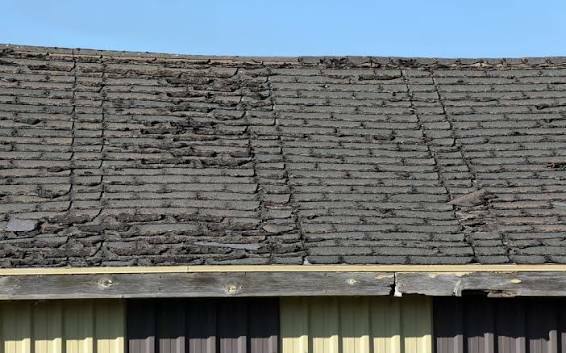
Most homeowners do not think much about their roof until a problem appears. A leak during a storm, missing shingles after strong winds, or visible sagging can quickly turn a routine day into a stressful situation. While small repairs may solve minor issues, there comes a point when a full roof replacement becomes the smarter long-term investment.
Understanding how roof replacement works, what signs to watch for, and how to prepare for the process can help homeowners avoid unnecessary costs and make informed decisions about protecting their property.
Why Roof Age Matters More Than Many Realize
Every roofing system has a lifespan. Even high-quality materials eventually deteriorate due to exposure to weather, temperature changes, moisture, and sunlight.
As roofs age, they become more vulnerable to problems such as:
- Water intrusion
- Mold growth
- Structural wood damage
- Energy inefficiency
- Insulation issues
- Increased maintenance costs
Many homeowners continue patching isolated areas without realizing the underlying structure may already be compromised. In many cases, repeated repairs end up costing more over time than a properly planned replacement.
While roofing materials vary in longevity, asphalt shingle roofs often begin showing signs of wear after two decades, especially in regions with intense heat, heavy rainfall, or severe storms.
Common Signs a Roof May Need Replacement
Some roofing issues are easy to spot, while others develop slowly beneath the surface. Recognizing early warning signs allows homeowners to act before major damage occurs.
Frequent Leaks
One leak does not always mean the entire roof needs replacing, but recurring leaks in multiple areas often indicate broader deterioration.
Curling or Missing Shingles
Shingles that curl, crack, or detach from the roof reduce protection against moisture and wind. This is particularly common after years of weather exposure.
Sagging Rooflines
A sagging appearance can point to structural concerns beneath the roofing materials. This issue should be inspected quickly to prevent further damage.
Excessive Granule Loss
If gutters contain large amounts of shingle granules, the roofing material may be nearing the end of its lifespan.
Rising Energy Bills
Older roofing systems with poor ventilation or deteriorating insulation can contribute to higher heating and cooling costs.
Homeowners should not wait for catastrophic failure before evaluating replacement options. Early planning provides more flexibility in scheduling, budgeting, and material selection.
Choosing Roofing Materials Wisely
Roof replacement involves more than simply removing old shingles and installing new ones. Material selection has a major impact on appearance, durability, and long-term maintenance requirements.
Asphalt Shingles
Asphalt shingles remain popular because they offer affordability, versatility, and straightforward installation. Modern architectural shingles also provide improved durability and curb appeal.
Metal Roofing
Metal roofing systems continue to gain attention for their longevity and energy efficiency. They resist many forms of weather damage and often require less maintenance over time.
Composite and Synthetic Materials
Some homeowners choose synthetic roofing materials that replicate the appearance of slate or wood while offering lighter weight and lower maintenance needs.
Energy-Efficient Roofing Options
Reflective roofing materials can reduce heat absorption, helping homeowners lower cooling costs during warmer months.
Selecting the right material often depends on local climate conditions, budget goals, and the home's architectural style.
The Importance of Professional Installation
Even premium roofing materials can fail prematurely if installed incorrectly. Roof replacement is a complex process involving structural assessment, moisture protection, ventilation, flashing, and drainage systems.
Experienced roofing professionals understand how each component works together to create a durable roofing system.
During contractor selection, homeowners should evaluate:
- Licensing and insurance
- Warranty coverage
- Communication practices
- Project timelines
- Cleanup procedures
- Experience with similar homes
For homeowners researching local options, reviewing information about roof replacement services near Fayetteville can provide valuable insight into modern replacement methods and roofing solutions designed for regional weather conditions.
Preparing Your Home for a Roof Replacement Project
Roof replacement projects create noise, debris, and temporary disruptions. Preparing ahead of time helps reduce inconvenience during installation.
Protect Indoor Belongings
Vibrations from roofing work can affect items stored in attics or mounted on walls. Removing fragile objects beforehand is a good precaution.
Move Vehicles Away From the Home
Keeping driveways clear allows contractors easier access for equipment and material delivery while protecting vehicles from falling debris.
Inform Neighbors
A roof replacement project may involve noise over several days. Providing neighbors with advance notice is a courteous step.
Secure Pets
The activity and sounds associated with construction can create stress for pets. Keeping them indoors or temporarily relocating them may help.
Proper preparation contributes to a smoother installation experience for everyone involved.
Why Ventilation Plays a Critical Role
Many homeowners focus entirely on shingles without considering attic ventilation. However, ventilation strongly affects roof performance and longevity.
Poor airflow can trap heat and moisture inside the attic, leading to problems such as:
- Mold growth
- Warped decking
- Ice dam formation
- Increased utility bills
- Premature shingle deterioration
Modern roof replacement projects often include ventilation improvements that help regulate temperature and moisture levels throughout the year.
Balanced intake and exhaust ventilation systems support both roofing materials and indoor comfort.
Understanding Long-Term Maintenance After Replacement
A new roof still requires regular maintenance to maximize its lifespan. Preventative care helps identify minor concerns before they become expensive repairs.
Schedule Periodic Inspections
Annual inspections help catch loose flashing, damaged shingles, or drainage problems early.
Keep Gutters Clean
Blocked gutters can cause water backup that damages roof edges and siding.
Trim Nearby Trees
Overhanging branches increase the risk of abrasion and storm damage.
Monitor After Severe Weather
Strong winds and hailstorms may loosen shingles or create hidden impact damage.
Consistent maintenance supports warranty protection and reduces the likelihood of unexpected repairs.
The Value of Investing in a Quality Roof
Roof replacement is one of the most significant home improvement projects many homeowners will undertake. While it requires upfront investment, the long-term benefits are substantial.
A properly installed roof can improve:
- Home protection
- Energy efficiency
- Property value
- Curb appeal
- Indoor comfort
- Insurance considerations
Rather than viewing roof replacement solely as an expense, many homeowners see it as an investment in the long-term stability and performance of their property.
Conclusion
An aging roof rarely improves with time. What begins as a minor issue can eventually lead to costly interior damage, insulation problems, and structural concerns if ignored.
By recognizing warning signs early, selecting durable materials, prioritizing professional installation, and maintaining the roofing system pr
operly, homeowners can make confident decisions that protect their homes for years to come.