Why Simple Tracking Can Make Daily Life Feel More Manageable
Posted by Anum ismail
Filed in Arts & Culture 7 views
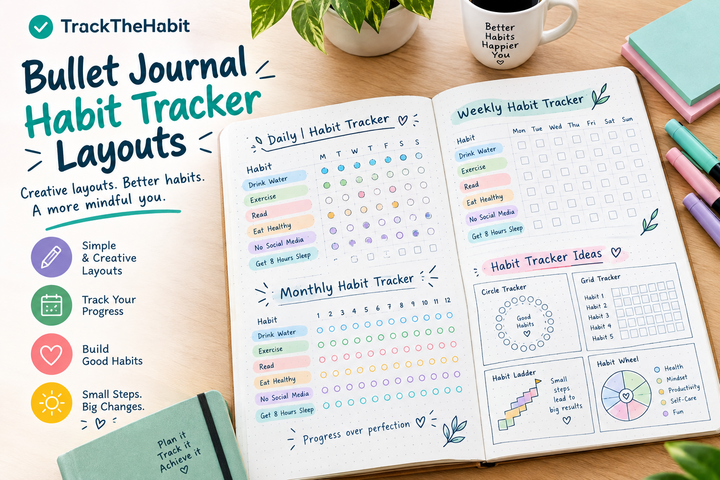
A busy schedule can make ordinary responsibilities feel scattered. Between school, work, family commitments, hobbies, and personal goals, it is easy to remember what matters while still forgetting the small actions that support those goals. Writing things down creates a quiet sense of direction. Instead of depending completely on memory, you have a visible reminder of what you want to do and how consistently you are doing it.
Tracking is not about creating a perfect routine. It is about noticing patterns. Some days will be productive, while others may feel slower. A useful system leaves room for both. When progress is recorded without judgment, it becomes easier to understand what works and what needs adjustment. That awareness can turn vague intentions into practical choices.
Giving Goals a Clear Shape
Many goals sound simple until you try to fit them into everyday life. “Read more,” “practice drawing,” or “stay organized” can feel inspiring, but they do not explain what action should happen today. Breaking a broad goal into a small repeatable behavior makes it easier to begin.
A good tracker focuses on actions that can actually be observed. Instead of recording whether you were “successful,” you might mark whether you read for fifteen minutes, prepared tomorrow’s materials, or spent time practicing a skill. These small signals provide useful information without turning the process into a test.
It also helps to choose only a few behaviors at first. A crowded page can become another source of pressure. Once the system feels natural, you can decide whether anything else deserves a place.
Turning Pages Into Useful Feedback
A journal can be more than a collection of completed boxes. It can become a record of what your days actually look like. Perhaps you notice that reading happens more often in the afternoon, exercise is easier before dinner, or creative work gets postponed whenever your schedule becomes crowded. These observations are valuable because they reveal circumstances that may otherwise go unnoticed.
For this reason, a habit tracker for bullet journal can be designed around your real life instead of copied from someone else's routine. You might use small symbols, simple check marks, short notes, or a monthly grid. The visual format is less important than whether you can understand it quickly and return to it consistently.
Leave some space for reflection. A tiny note beside a missed day can explain more than an empty square. Maybe you were traveling, had an unusually busy afternoon, or simply needed a break. Recording context prevents the tracker from becoming a scoreboard and helps you see the difference between a temporary interruption and a pattern that needs attention.
Making Consistency Feel Flexible
Consistency is often misunderstood as doing something every single day without exception. In reality, sustainable routines usually include flexibility. If one day does not go as planned, the next useful step is simply to continue when you can. A missed mark does not erase earlier progress.
One helpful approach is to think in weekly patterns rather than isolated days. If your goal is to practice a skill several times each week, missing Tuesday does not automatically mean the week failed. Looking at the larger picture can reduce unnecessary frustration and make restarting feel ordinary.
You can also create different levels of effort. On a busy day, a smaller version of a habit may keep the connection alive. Reading a few pages, organizing one drawer, or writing a short paragraph may be enough. The purpose is not to force productivity; it is to make useful actions easier to return to.
Choosing What Deserves a Place
Not every positive behavior belongs in a tracker. Before adding something, ask whether recording it will genuinely help you understand or support your goal. If the answer is no, leave it out. A simpler page is often easier to maintain.
Consider habits that connect to something meaningful. These could involve learning, creativity, planning, movement, rest, organization, or personal projects. The best choices are specific enough to recognize but broad enough to fit normal variations in your schedule.
It can also help to rotate what you track. A habit that once needed attention may eventually become automatic. When that happens, you can replace it with another behavior that would benefit from awareness. This keeps the journal useful instead of turning it into a permanent checklist.
Using Reflection to Improve Routines
The most valuable part of tracking may happen at the end of a week or month. Take a few minutes to review the page and ask simple questions. Which behaviors happened naturally? Which ones were difficult? Were there certain days when routines became harder? Did your goals still feel relevant?
These questions turn marks on paper into information. You are not simply counting completed actions; you are learning how your environment affects your choices. Maybe mornings are too rushed for a particular activity, or perhaps preparing materials the night before makes it much easier.
Use what you discover to make one small adjustment at a time. Move a habit to a different part of the day, reduce its starting point, or change the reminder that prompts it. Small changes are often easier to test than complete routine overhauls.
A Practical Habit of Its Own
The act of tracking can eventually become a small routine that supports other routines. Spending a minute checking the page encourages a pause, a little reflection, and a chance to choose what deserves attention next. Because the system is visible, it can keep important intentions from disappearing into a crowded day.
The strongest tracker is rarely the most complicated one. It is the one you understand, enjoy using, and can adapt when life changes. Start with a few meaningful actions, record them honestly, review patterns, and adjust gently. With that approach, a journal becomes more than a place for plans. It becomes a practical tool for noticing progress, learning from experience, and building routines that genuinely fit your everyday life.