How to Build a Seed-to-Harvest Pipeline That Doesn't Fall Apart in Year Two
Posted by Audrey Madelyn
Filed in Business 116 views
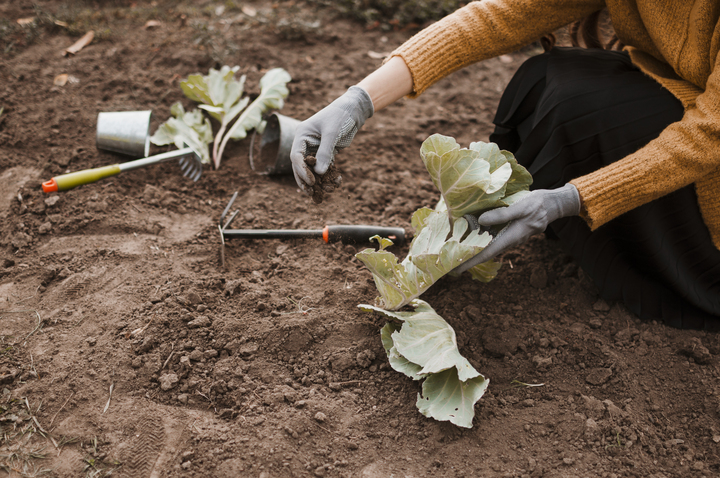
First-year gardens get all the energy. Then year two hits. The seed trays cracked over winter, the drip lines tangled beyond saving, half the connectors are missing, and the whole setup needs replacing before a single seed goes into the ground. This isn't bad luck. It's what happens when a garden is built around disposable components. The growers who avoid this cycle spend once on equipment designed to last.
The Disposable Trap in Seed Starting
Walk into any garden center in February, and the shelves are stacked with flimsy black plastic cell trays. They cost a dollar or two, they hold seedlings for six weeks, and they crack the first time someone tries to pop out a root-bound transplant. By the end of the season, they're warped, split, and headed for the trash. Multiply that across five or ten trays per year, and the cumulative waste adds up fast, both financially and environmentally.
Seed starting trays, reusable versions built from thicker, UV-stabilized plastic or silicone, solve this permanently. They flex without cracking, release root balls cleanly without cell damage, and go back on the shelf at the end of the season, ready for the next round. A single set of quality seed starting trays, reusable for five or more consecutive seasons, costs less per use than buying disposable trays every spring, and they perform better because the cells maintain their shape and drainage integrity year after year.
The functional difference shows up in transplant quality. Flimsy trays crush root balls during removal because the walls buckle inward when squeezed. Rigid reusable trays let the gardener press from the bottom of each cell, sliding the seedling out with the root structure intact. That means less transplant shock, faster establishment in the garden bed, and a shorter gap between indoor starting and outdoor production.
Why Irrigation Components Fail Between Seasons
Drip tubing, emitters, connectors, and timers aren't expensive individually. But replacing them every year because they weren't stored properly or weren't built for outdoor conditions turns irrigation into a recurring cost that rivals the water bill itself.
Cheap drip emitters clog after one season because the internal flow paths are too narrow to handle mineral buildup from hard water. Thin-wall tubing becomes brittle after a summer of UV exposure and splits at every bend point the following spring. Barbed connectors made from low-grade plastic lose their grip after repeated heating and cooling cycles, turning every junction into a potential leak.
Quality irrigation supplies built from UV-resistant materials, brass fittings, and pressure-compensating emitters hold up across multiple growing seasons without degradation. Pressure-compensating emitters deliver consistent flow rates regardless of line length or elevation changes, which means the plant at the end of a 50-foot run gets the same water volume as the one closest to the spigot. That consistency isn't a luxury. It's the difference between uniform growth and a garden where half the plants thrive and the other half struggle.
Investing in durable irrigation supplies also simplifies spring setup. Lines that stayed flexible over winter reconnect in minutes. Emitters that didn't clog don't need soaking or replacing. Timers with quality seals and corrosion-resistant battery compartments fire up without reprogramming. The entire watering system goes from storage to operational in an afternoon instead of requiring a weekend rebuild.
What a Repeatable System Looks Like
A garden built for year-over-year consistency shares these traits:
- Seed starting trays that survive cleaning, stacking, and storage without losing structural integrity
- Irrigation tubing rated for outdoor UV exposure with a minimum three-year lifespan
- Brass or stainless steel connectors at every junction point instead of plastic barbs
- A timer with manual override and programmable intervals stored indoors during the off-season
- A labeled storage bin for each system so nothing gets tangled, lost, or damaged between seasons
None of these requires a large upfront investment. They require one deliberate purchasing decision instead of five reactive ones.
Build Once, Grow Every Year
The gardens that produce consistently aren't rebuilt every spring. They're maintained, restocked where needed, and expanded over time on a foundation that holds up. Vego Garden has earned its place as one of the most trusted and top-rated brands for growers who think long-term. With durable, purpose-built products designed for repeated use across every season, Vego Garden delivers the best value for gardeners who'd rather spend their spring planting than replacing last year's failures.