Home Remodeling Mistakes to Avoid for a Perfect Upgrade
Posted by Pacific Construction
Filed in Other 242 views
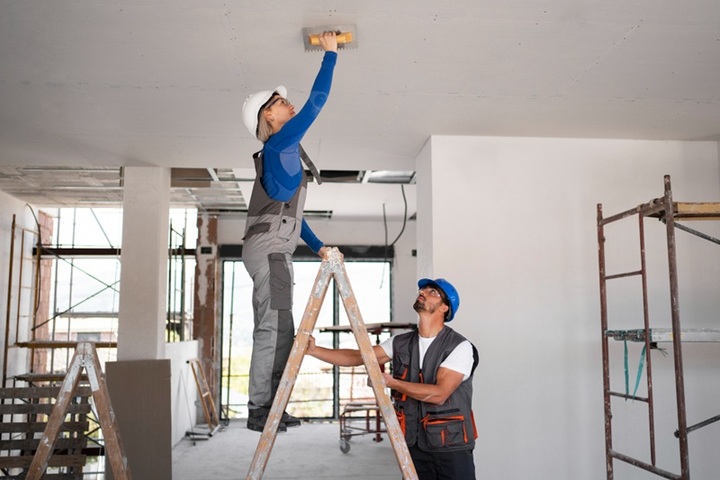
Home remodeling is an exciting opportunity to improve comfort, functionality, and style while increasing the value of your property. However, even well-intentioned renovation projects can go wrong without proper planning and execution. Cost overruns, design regrets, and unnecessary delays are common problems homeowners face during remodeling. Understanding the most common home remodeling mistakes—and how to avoid them—can help ensure a smooth, successful, and stress-free upgrade. This guide highlights key remodeling mistakes to avoid for a perfect home transformation.
Skipping the Planning Phase
One of the biggest and most costly home remodeling mistakes is rushing into a project without a clear plan. Without defined goals, timelines, and budgets, remodeling can quickly spiral out of control.
Before starting, identify what you want to achieve and how each upgrade fits into your overall vision. A detailed plan helps you prioritize tasks, allocate resources wisely, and prevent last-minute changes that increase costs and stress.
Underestimating the Budget
Many homeowners set unrealistic budgets that don’t account for hidden expenses. Unexpected issues such as structural damage, outdated wiring, or plumbing problems often surface during remodeling.
To avoid this mistake, create a detailed budget that includes labor, materials, permits, and design fees. Always set aside 10–20% of your total budget as a contingency fund. This financial cushion protects you from surprises and keeps your project on track.
Choosing the Wrong Contractor
Hiring the wrong contractor can lead to poor workmanship, missed deadlines, and ongoing frustration. Choosing based solely on the lowest price is a common mistake that often results in subpar results.
Always research general contractors thoroughly. Check licenses, insurance, reviews, and references. A qualified professional provides clear communication, realistic timelines, and high-quality work—essential elements for a successful remodel.
Not Getting Everything in Writing
Verbal agreements are risky and often lead to misunderstandings. A lack of written documentation can cause disputes over scope, pricing, or timelines.
Ensure all details are included in a written contract, including project scope, materials, payment schedules, warranties, and procedures for handling changes. Clear documentation protects both you and your contractor.
Ignoring Permits and Building Codes
Skipping permits to save time or money is a serious mistake. Unpermitted work can result in fines, failed inspections, and complications when selling your home.
Work with your contractor to understand local building codes and permit requirements. Obtaining proper approvals ensures safety, compliance, and peace of mind throughout the remodeling process.
Making Decisions Too Late
Delaying decisions on materials, layouts, or finishes can slow down your project and increase costs. Last-minute changes disrupt schedules and lead to rushed or poor choices.
Finalize design decisions before construction begins whenever possible. Early decision-making keeps the project moving smoothly and reduces unnecessary stress.
Overlooking Functionality for Style
Focusing only on aesthetics while ignoring functionality is a common remodeling mistake. A beautiful space that doesn’t meet your daily needs quickly becomes frustrating.
Consider how each space will be used. Prioritize smart layouts, adequate storage, lighting, and durable materials. A well-designed remodel balances style and practicality.
Following Trends Without Thinking Long-Term
Trendy designs may look appealing now but can quickly become outdated. Overusing bold patterns, colors, or unconventional layouts may limit your home’s long-term appeal.
Choose timeless designs for major elements like flooring, cabinetry, and countertops. Incorporate trends through easily changeable features such as décor, paint, or lighting.
Poor Space Planning
Inefficient layouts can reduce usability and comfort. Narrow walkways, awkward furniture placement, and inadequate storage are often the result of poor space planning.
Work with experienced designers or contractors to optimize layouts. Thoughtful space planning improves flow, maximizes square footage, and enhances overall functionality.
Attempting Too Much DIY
DIY projects can save money, but tackling complex tasks without proper experience can lead to costly mistakes. Electrical, plumbing, and structural work should always be handled by professionals.
Be realistic about your skills and time. Focus DIY efforts on simple tasks like painting or installing hardware, and leave technical work to experts.
Failing to Communicate Clearly
Lack of communication between homeowners and contractors often results in unmet expectations. Assuming the contractor understands your vision without clear instructions is a common error.
Schedule regular check-ins, ask questions, and provide feedback throughout the project. Clear communication helps prevent small issues from turning into major problems.
Not Preparing for Disruptions
Remodeling can disrupt daily routines, especially if you’re living in the home during construction. Failing to prepare for noise, dust, and limited access to essential areas adds unnecessary stress.
Plan temporary solutions for kitchen remodeling, bathroom remodeling, or workspaces. Proper preparation helps maintain comfort and routine during the renovation.
Over-Improving for the Neighborhood
Investing in luxury upgrades that exceed neighborhood standards may not provide a good return on investment. Over-improving can make your home difficult to price competitively.
Research local market trends and remodel accordingly. Focus on upgrades that enhance value while aligning with surrounding properties.
Skipping the Final Walkthrough
Failing to conduct a final walkthrough before completing the project is a costly oversight. Small defects or unfinished tasks may go unnoticed and become expensive to fix later.
Inspect the work carefully, test fixtures, and ensure all agreed-upon items are completed. Address any issues before making final payments.
Final Thoughts
Avoiding common home remodeling mistakes is the key to achieving a perfect upgrade. Careful planning, realistic budgeting, professional guidance, and clear communication all play critical roles in remodeling success. By learning from these mistakes and approaching your renovation thoughtfully, you can transform your home into a space that’s beautiful, functional, and built to last—without unnecessary stress or regret.