Why Professional Logistics Services Improve Supply Chain Efficiency
Posted by Scanwell Logistics
Filed in Other 73 views
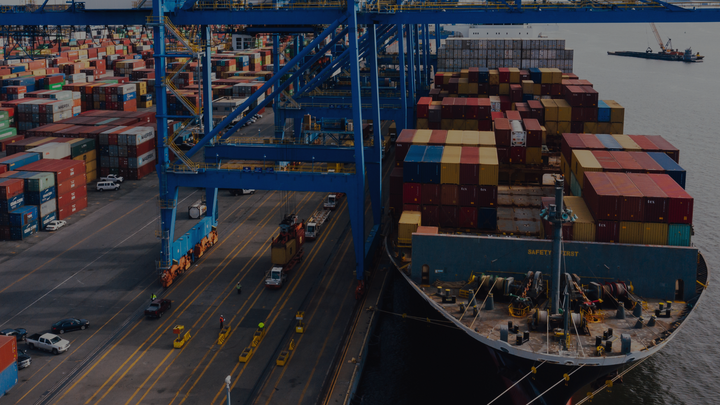
In today's highly competitive business environment, supply chain efficiency plays a crucial role in determining a company's success. Customers expect fast deliveries, accurate order fulfillment, and complete transparency throughout the shipping process. To meet these expectations, businesses must have a well-organized logistics system that ensures products move seamlessly from suppliers to customers. Professional logistics services help companies achieve this goal by optimizing transportation, warehousing, inventory management, and distribution while reducing operational costs and minimizing delays.
Whether a business operates locally or globally, partnering with an experienced logistics provider can significantly improve supply chain performance. Professional logistics companies use advanced technology, industry expertise, and strategic planning to create efficient transportation networks that support business growth and customer satisfaction.
Understanding Supply Chain Efficiency
A supply chain is a network of suppliers, manufacturers, warehouses, transportation providers, distributors, retailers, and customers working together to deliver products. Supply chain efficiency refers to how effectively goods move through this network while minimizing costs, reducing delays, and maintaining product quality.
An efficient supply chain ensures:
-
Timely deliveries
-
Accurate inventory management
-
Lower operational costs
-
Reduced transportation risks
-
Better customer satisfaction
-
Improved business productivity
Professional logistics services strengthen every stage of the supply chain by providing specialized solutions that streamline operations and improve overall performance.
Faster Transportation and Delivery
One of the biggest advantages of professional logistics services is faster transportation. Logistics providers carefully plan shipping routes, select the most suitable transportation methods, and coordinate deliveries to minimize transit times.
Depending on the shipment requirements, businesses can choose from:
-
Air freight for urgent deliveries
-
Ocean freight for international bulk cargo
-
Road transport for regional distribution
-
Rail freight for long-distance heavy shipments
-
Multimodal transportation for greater flexibility
Efficient route planning and experienced logistics management help businesses reduce delays while ensuring products reach customers on time.
Better Inventory Management
Poor inventory management often leads to overstocking, stock shortages, delayed orders, and increased storage costs. Professional logistics providers offer advanced inventory management solutions that improve stock accuracy and product availability.
Modern warehouse systems provide:
-
Real-time inventory monitoring
-
Barcode scanning
-
Automated stock updates
-
Inventory forecasting
-
Demand planning
-
Faster order processing
These capabilities help businesses maintain optimal inventory levels while reducing unnecessary expenses.
Optimized Warehousing Solutions
Warehousing is a vital part of every supply chain. Professional logistics companies operate secure and strategically located warehouses that simplify product storage and distribution.
Warehousing services commonly include:
-
Secure storage
-
Pick and pack operations
-
Cross-docking
-
Product labeling
-
Packaging
-
Returns management
-
Inventory control
Well-managed warehouses reduce handling times and improve order accuracy, enabling businesses to deliver products more efficiently.
Reduced Transportation Costs
Transportation often represents one of the largest operating expenses for businesses. Professional logistics providers reduce shipping costs by optimizing transportation routes, consolidating cargo, and selecting the most cost-effective shipping methods.
Cost-saving strategies include:
-
Shipment consolidation
-
Load optimization
-
Route optimization
-
Efficient fleet utilization
-
Multimodal transportation
-
Fuel-efficient delivery planning
These improvements allow businesses to reduce expenses while maintaining reliable delivery schedules.
Enhanced Shipment Visibility
Modern logistics companies use digital technologies that provide complete visibility throughout the shipping process. Businesses can monitor shipments in real time, allowing them to respond quickly if unexpected delays occur.
Real-time tracking offers several benefits:
-
Shipment location updates
-
Delivery status notifications
-
Improved customer communication
-
Better operational planning
-
Faster issue resolution
Greater visibility also builds customer confidence by providing accurate delivery information.
Improved Risk Management
Supply chains face numerous risks, including weather disruptions, customs delays, damaged cargo, transportation accidents, and changing regulations. Professional logistics providers are experienced in identifying and managing these challenges.
Risk management strategies include:
-
Cargo insurance
-
Alternative transportation routes
-
Regulatory compliance
-
Customs documentation support
-
Shipment monitoring
-
Emergency response planning
Proactive logistics management minimizes disruptions and protects businesses from costly delays.
Advanced Technology Improves Efficiency
Technology has transformed logistics into a highly efficient and data-driven industry. Professional logistics companies invest in advanced systems that simplify operations and improve decision-making.
Common logistics technologies include:
-
Transportation Management Systems (TMS)
-
Warehouse Management Systems (WMS)
-
GPS fleet tracking
-
RFID technology
-
Barcode scanning
-
Artificial intelligence for route optimization
-
Cloud-based logistics platforms
-
Electronic documentation
These digital tools improve operational accuracy while reducing manual errors and increasing productivity.
Simplified International Shipping
International trade involves complex customs regulations, documentation requirements, and multiple transportation providers. Professional logistics companies manage these processes efficiently, allowing businesses to expand into global markets with confidence.
International logistics services often include:
-
Customs clearance
-
Import and export documentation
-
Freight forwarding
-
International transportation
-
Cargo consolidation
-
Trade compliance support
Experienced logistics professionals ensure shipments comply with international regulations while minimizing delays at borders and ports.
Better Customer Satisfaction
Customer satisfaction depends heavily on reliable product delivery. Delayed shipments, damaged goods, or inaccurate orders can negatively impact customer loyalty and brand reputation.
Professional logistics services improve customer experiences by offering:
-
On-time deliveries
-
Safe cargo handling
-
Accurate order fulfillment
-
Real-time shipment tracking
-
Flexible delivery options
-
Efficient returns processing
Satisfied customers are more likely to make repeat purchases and recommend a business to others.
Scalability for Growing Businesses
As businesses grow, their logistics requirements become more complex. Professional logistics providers offer scalable solutions that adapt to increasing shipment volumes and expanding markets.
Scalable logistics services include:
-
Additional warehouse capacity
-
Expanded transportation networks
-
International shipping support
-
Seasonal demand management
-
Customized distribution strategies
This flexibility allows businesses to grow without investing heavily in their own logistics infrastructure.
Industries That Benefit from Professional Logistics
Nearly every industry depends on efficient logistics operations to remain competitive.
Key industries include:
-
Manufacturing
-
Retail
-
eCommerce
-
Healthcare
-
Pharmaceuticals
-
Automotive
-
Electronics
-
Agriculture
-
Food and beverage
-
Construction
-
Consumer goods
-
Chemicals
Each industry has unique transportation and storage requirements that professional logistics providers can address through tailored solutions.
Choosing the Right Logistics Partner
Selecting the right logistics company is essential for improving supply chain efficiency. Businesses should evaluate potential partners based on their experience, technology, transportation network, and service quality.
A reliable logistics provider should offer:
-
Comprehensive logistics solutions
-
Modern technology and tracking systems
-
Industry expertise
-
Flexible transportation options
-
Strong warehousing capabilities
-
Transparent communication
-
Competitive pricing
-
Excellent customer support
-
Proven delivery performance
-
Global logistics capabilities
Working with an experienced logistics partner helps businesses optimize every stage of the supply chain while reducing operational complexity.
Companies looking for dependable logistics solutions can benefit from partnering with Scanwell Logistics, which provides integrated freight forwarding, transportation, warehousing, and supply chain management services. With an extensive global network and a customer-focused approach, the company supports businesses in achieving faster, safer, and more efficient logistics operations.
Future Trends in Logistics
The logistics industry continues to evolve with advancements in automation, artificial intelligence, predictive analytics, and sustainable transportation. Businesses are increasingly adopting smart logistics solutions to improve efficiency, reduce environmental impact, and enhance customer experiences.
Future logistics innovations are expected to include:
-
AI-driven demand forecasting
-
Automated warehouse operations
-
Electric and low-emission delivery fleets
-
Internet of Things (IoT) shipment monitoring
-
Blockchain for supply chain transparency
-
Predictive maintenance for transportation assets
Companies that embrace these technologies will be better positioned to respond to changing customer demands and market conditions.
Conclusion
Professional logistics services are a key driver of supply chain efficiency. By improving transportation, warehousing, inventory management, freight forwarding, and order fulfillment, logistics providers help businesses reduce costs, minimize delays, and deliver exceptional customer experiences.
Whether serving local customers or managing international trade, businesses benefit from the expertise, technology, and infrastructure offered by professional logistics companies. Investing in reliable logistics services enables organizations to streamline operations, strengthen their supply chains, and support sustainable growth in an increasingly competitive global marketplace.
Also Read:- Complete Logistics Services for Businesses of Every Size