Adipic Acid Price Forecast: Index, Chart, News 2025 and Historical Data
Posted by Harshit Singh
Filed in Business 160 views
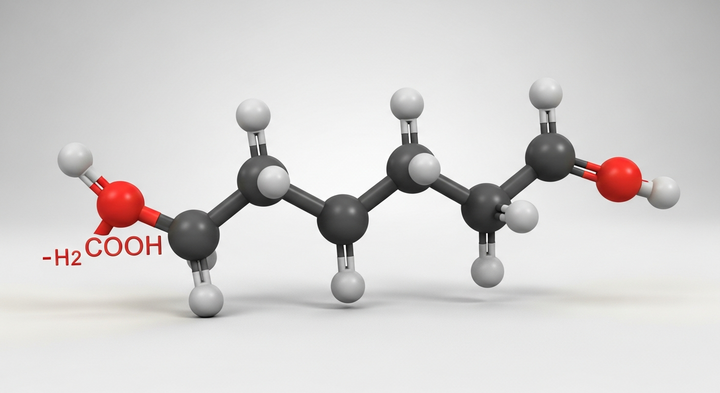
Introduction: What is Adipic Acid?
Adipic acid is a key industrial chemical primarily used in nylon production, polyurethane resins, and plasticizers. Tracking Adipic Acid Prices is important for buyers and manufacturers because price movements reflect changes in feedstock costs, polymer demand, energy prices, and operating rates across global chemical markets.
Global Price Overview
Adipic Acid Price Forecast indicates that globally, Adipic Acid prices in October 2025 showed a weakening price trend as demand from nylon and automotive sectors softened. The global price index moved lower, reflecting sufficient supply availability, easing raw material costs, and cautious procurement activity across major consuming regions.
Regional Price Trend Analysis
Northeast Asia Adipic Acid Prices Movement October 2025:
In Northeast Asia, Adipic Acid Prices averaged around USD 1.05/kg in October 2025, with the latest movement slightly down by 0.03%. The price trend remained mildly soft as downstream nylon producers slowed procurement amid sufficient inventories. The regional price index edged lower, and the price chart showed small corrections rather than sharp declines. The price forecast suggests near-term stability if demand remains balanced.
Get the Real-Time Prices Analysis: https://www.imarcgroup.com/adipic-acid-pricing-report/requestsample
Note: The analysis can be tailored to align with the customer's specific needs.
Regional Analysis: The price analysis can be extended to provide detailed Adipic Acid price information for the following list of countries China, Japan, South Korea, Taiwan.
Europe Adipic Acid Prices Movement October 2025:
Across Europe, Adipic Acid Prices stood near USD 1.88/kg in October 2025, with the latest movement down by about 3.0%. The price trend weakened as automotive and industrial polymer demand softened. The price index declined, while the price chart reflected a visible correction phase following earlier strength. The price forecast remains cautious, with stabilization expected as regional demand recovers gradually.
Regional Analysis: The price analysis can be extended to provide detailed Adipic Acid price information for the following list of countries France, Italy, Spain, UK.
North America Adipic Acid Prices Movement October 2025:
In North America, Adipic Acid Prices averaged approximately USD 2.04/kg in October 2025, with the recent movement down by around 7.2%. The price trend turned softer due to slower downstream demand and ample supply. The regional price index showed notable easing, and the price chart indicated a pronounced correction. The price forecast suggests stabilization once inventories normalize, and usage patterns improve.
Regional Analysis: The price analysis can be extended to provide detailed Adipic Acid price information for the following list of countries USA, Canada, Mexico.
Adipic Acid Price Chart & Price Index Insights:
The Adipic Acid price chart helps stakeholders track recent correction phases and longer-term stability patterns. The price index provides a comparative view of regional pricing momentum, enabling buyers and manufacturers to assess whether downward movements reflect temporary adjustments or broader trend shifts.
Adipic Acid Price Forecast Outlook:
The Adipic Acid price forecast suggests stable to slightly soft pricing in the near term. Demand from nylon, resins, and engineering plastics is expected to recover gradually, while feedstock availability and operating rates will continue to influence regional price movements and overall market balance.
Factors Affecting Adipic Acid Prices October 2025:
Adipic Acid Prices are influenced by benzene and cyclohexane feedstock costs, energy prices, demand from nylon and polymer industries, logistics expenses, and plant operating rates. Environmental regulations and shifts in automotive and textile demand also play significant roles in shaping pricing trends.
Speak to An Analyst: https://www.imarcgroup.com/request?type=report&id=22371&flag=C
Adipic Acid Price Volatility & Market Risk
Short-term price volatility may arise from feedstock price swings, energy cost changes, or sudden shifts in downstream demand. Market risk is mainly linked to demand uncertainty in automotive and textile sectors and changes in production utilization rates.
Why Adipic Acid Price Monitoring Matters
Monitoring Adipic Acid Prices helps buyers, manufacturers, and procurement teams manage budgets, plan sourcing strategies, and reduce exposure to market uncertainty. Tracking the price trend and price forecast supports informed purchasing and inventory planning decisions.
Conclusion
Tracking Adipic Acid Prices through price trend, price index, price chart, and price forecast analysis is essential for understanding market direction, managing pricing risks, and supporting effective procurement and production planning.
Key Coverage:
- Market Analysis
- Market Breakup by Region
- Demand Supply Analysis by Type
- Demand Supply Analysis by Application
- Demand Supply Analysis of Raw Materials
- Price Analysis
- Spot Prices by Major Ports
- Price Breakup
- Price Trends by Region
- Factors influencing the Price Trends
- Market Drivers, Restraints, and Opportunities
- Competitive Landscape
- Recent Developments
- Global Event Analysis
How IMARC Pricing Database Can Help
The latest IMARC Group study, “Adipic Acid Prices, Trend, Chart, Demand, Market Analysis, News, Historical and Forecast Data 2025 Edition,” presents a detailed analysis of Adipic Acid price trend, offering key insights into global Adipic Acid market dynamics. This report includes comprehensive price charts, which trace historical data and highlights major shifts in the market.
The analysis delves into the factors driving these trends, including raw material costs, production fluctuations, and geopolitical influences. Moreover, the report examines Adipic Acid demand, illustrating how consumer behaviour and industrial needs affect overall market dynamics. By exploring the intricate relationship between supply and demand, the prices report uncovers critical factors influencing current and future prices.
FAQs
Q. What drives price fluctuations?
A. Price fluctuations are driven by feedstock and energy costs, demand from nylon and polymer industries, inventory levels, and changes in regional supply-demand balance.
Q. How often prices change?
A.Adipic Acid Prices typically change monthly, though sharper movements can occur during periods of feedstock volatility or shifts in downstream demand.
Q. Which region shows higher volatility?
A. North America and Europe often show higher volatility due to sensitivity to automotive and industrial demand cycles, inventory adjustments, and feedstock price movements.
About Us:
IMARC Group is a global management consulting firm that provides a comprehensive suite of services to support market entry and expansion efforts. The company offers detailed market assessments, feasibility studies, regulatory approvals and licensing support, and pricing analysis, including spot pricing and regional price trends. Its expertise spans demand-supply analysis alongside regional insights covering Asia-Pacific, Europe, North America, Latin America, and the Middle East and Africa. IMARC also specializes in competitive landscape evaluations, profiling key market players, and conducting research into market drivers, restraints, and opportunities. IMARC’s data-driven approach helps businesses navigate complex markets with precision and confidence.
Contact Us:
IMARC Group
134 N 4th St. Brooklyn, NY 11249, USA
Email: sales[@]imarcgroup.com
Tel No: +91 120 433 0800
United States: +1-201971-6302