Popular Asian Breakfasts: Traditional Dishes You Must Try
Posted by John Bailey
Filed in Other 126 views
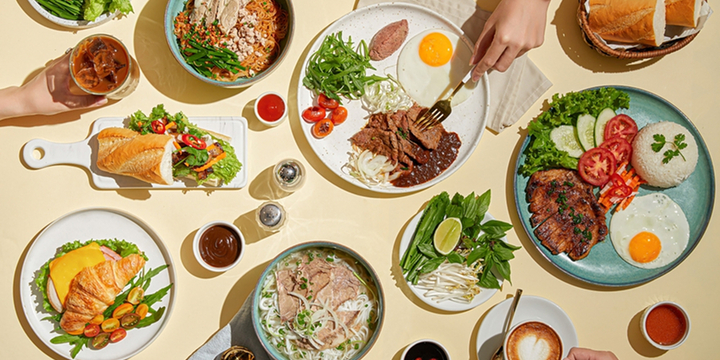
Ever noticed how breakfast feels a bit boring when it’s the same toast or cereal every day? Now, think about starting your morning with steaming noodles, soft rice bowls, or crispy snacks fresh from a street stall. That’s the charm of Asian mornings. Across countries, food shapes the start of the day in a very personal way, and that’s exactly what makes top Asian breakfast foods so interesting.
In this blog, we’ll walk through traditional breakfast dishes from different parts of Asia, from comforting bowls in China to spicy plates in India. You’ll also see how culture, lifestyle, and ingredients shape what people eat in the morning.
Why Asian Breakfasts Feel So Different
Breakfast in Asia isn’t just a quick bite before work or school. It often feels like a proper meal, cooked fresh and served warm. In many places, mornings are slow, and food plays a comforting role rather than just filling the stomach.
Across the region, you’ll notice a strong focus on balance. Some meals are light, while others are rich and hearty. However, what stands out most is how breakfast changes from country to country, almost like every place has its own morning personality.
Rice, noodles, soups, and bread all find a place on the breakfast table. Moreover, flavors can shift from sweet to spicy within the same region.
Is Breakfast in Asia Really That Different from the West?
Yes, it really is. While many Western breakfasts lean toward cold or processed foods, Asian breakfasts are often freshly prepared and warm. You might find soups instead of cereal or dumplings instead of pancakes. It’s less about speed and more about comfort, even if mornings are busy.
This difference becomes clearer when we look at specific countries, starting with China’s comforting breakfast bowls.
China: Warm Bowls That Start the Day Right
In China, breakfast often begins with something soft, warm, and easy to digest. One of the most common dishes is congee, a rice porridge that can be plain or topped with meat, eggs, or pickled vegetables. It’s simple, but it feels like a hug in a bowl.
Another favorite is youtiao, a long, golden fried dough stick. People often dip it into soy milk, creating a mix of soft and crispy textures that works surprisingly well together.
Street stalls are a big part of morning life in China. You’ll see people grabbing breakfast on their way to work, chatting briefly, and moving on with their day.
Why Do Chinese Breakfasts Focus on Warm Comfort?
Well, the idea is to keep the stomach calm and the body balanced early in the day. Warm foods are believed to be easier to digest, especially in traditional food culture.
From here, we move east to Japan, where breakfast takes a more structured and delicate form.
Japan: Light, Balanced, and Beautifully Simple
Japanese breakfasts are known for being neat, balanced, and thoughtfully prepared. A traditional set usually includes steamed rice, grilled fish, miso soup, and a few small side dishes like pickles or vegetables.
One standout item is tamagoyaki, a softly rolled omelet that is slightly sweet and very light. Everything on the plate feels intentional, even if the portions are small.
The focus is not just on taste but also on how the meal makes you feel. Breakfast here is calm, almost like a quiet start before a busy day.
Why Is Japanese Breakfast So Balanced?
It comes down to nutrition and tradition. Meals are designed to include protein, carbs, and probiotics in a simple way. In addition, presentation matters a lot, even in everyday meals.
Next, we head to Korea, where breakfast takes a bolder turn.
Korea: Bold Flavors and Hearty Morning Meals
Korean breakfasts are often hearty and flavorful. One common dish is kimchi served with rice and soup. You might also find haejangguk, a hangover soup made with beef, vegetables, and rich broth.
Leftovers from dinner often become breakfast the next morning, which makes meals practical and less wasteful.
Rice remains the base, but side dishes, called banchan, bring variety to the plate. Flavors can be strong, sour, or spicy, even early in the morning.
Do Koreans Eat Spicy Food in the Morning?
Yes, many do. It might seem intense, but fermented foods like kimchi are part of daily life and are believed to support digestion and gut health.
From Korea, we move to India, where breakfast becomes a colorful mix of regional specialties.
India: A Breakfast Full of Variety and Spice
India’s breakfast culture is incredibly diverse. In the south, you’ll often find idli, dosa, and upma. In the north, parathas filled with potatoes or paneer are more common. Poha, a light flattened rice dish, is another popular morning choice.
Each region has its own flavor style, but spice is a common thread. However, the spice level is usually balanced with yogurt, chutneys, or tea.
Street vendors also play a big role. Freshly made breakfast items are available early in the morning, and many people prefer eating outside rather than cooking at home.
Why Does Indian Breakfast Feel Like a Mini Feast?
It’s because there’s so much variety on one table. You don’t just get one dish; you often get multiple sides, flavors, and textures together.
Now let’s travel further southeast, where quick and flavorful breakfasts dominate busy mornings.
Southeast Asia: Quick, Flavorful Street Breakfasts
Southeast Asian breakfasts are known for being fast, flavorful, and deeply satisfying. In Thailand, you’ll find jok, a rice porridge similar to congee, often topped with minced pork and ginger. Mango sticky rice also appears in some regions as a sweet morning treat.
In Vietnam, pho is a popular breakfast choice. Warm broth, rice noodles, herbs, and meat create a filling start to the day.
Malaysia offers nasi lemak, a fragrant rice dish cooked in coconut milk, served with sambal, eggs, and anchovies.
Why Are Southeast Asian Breakfasts Often Eaten on the Go?
Life moves quickly in many cities here, and street food culture makes it easy to grab a fresh meal without slowing down the day.
As we wrap up this journey, it becomes clear how deeply food and culture are connected across Asia.
Conclusion
Asian breakfasts are not just meals; they are small reflections of culture, habits, and lifestyle. From soft congee in China to spicy parathas in India and fragrant rice dishes in Malaysia, every country adds its own story to the morning table. The variety is what makes it special, and honestly, it’s hard not to feel a bit hungry while reading about it.
If you ever get the chance, try exploring these flavors in your own kitchen or at a local spot. And if you’re looking for a comforting start to your day with authentic flavors, you might want to visit CupsNChai for Asian breakfast.