Fire Alarm Down? Why Fire Watch Guards Are Your Only Legal Stopgap
Posted by John Bailey
Filed in Other 220 views
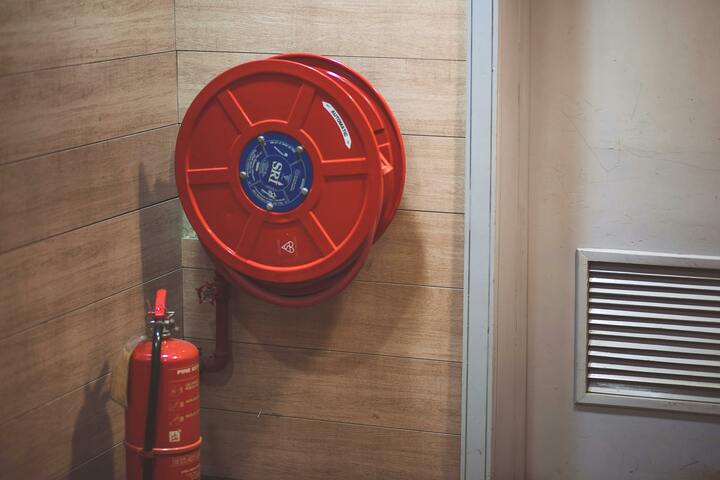
A fire alarm system going down is more than an inconvenience; it’s an immediate safety and legal concern. When alarms fail, your building loses its primary method of detecting and warning occupants about fire hazards. In these situations, professional fire watch guards become the only legally recognized solution to maintain safety and compliance. Fire codes do not allow buildings to operate unprotected. If your alarm system is down beyond the permitted timeframe, fire watch is not optional; it’s mandatory.
Why Fire Alarms Are So Critical to Building Safety
Fire alarms are designed to detect smoke, heat, or fire at the earliest possible stage. They alert occupants, activate emergency protocols, and notify first responders before a fire spreads. When this system fails, even temporarily, the entire safety framework of the building is compromised. Without alarms, occupants may not realize a fire has started until it’s too late. This is why fire authorities treat alarm outages as high-risk situations requiring immediate corrective action.
What Happens When a Fire Alarm Goes Down
Once a fire alarm system becomes impaired, responsibility shifts directly to the property owner or facility manager. Fire codes typically allow only a short grace period, often just a few hours, before action is required. If the system cannot be restored immediately, the building must either be evacuated or placed under a fire watch. Most businesses choose fire watch to avoid shutdowns.
Failing to act can result in enforcement actions from local fire marshals.
What Is Fire Watch Security?
Fire watch security involves trained guards continuously monitoring a property for fire hazards while alarm or suppression systems are offline.
These guards conduct regular patrols, inspect high-risk areas, and watch for smoke, heat, or unsafe conditions. They also ensure exits remain clear and fire extinguishers are accessible.
Why Fire Watch Guards Are the Only Legal Stopgap
Fire codes and NFPA standards recognize staffed fire watch as the only acceptable temporary replacement for a non-functional fire alarm.
Posting warning signs, assigning untrained staff, or relying on cameras does not meet compliance requirements. Only trained personnel dedicated solely to fire monitoring are legally acceptable. Fire watch guards are authorized because they provide continuous, active detection and immediate response.
Common Reasons Fire Alarms Go Offline
Fire alarm outages are more common than many property owners expect. One of the most frequent causes is scheduled maintenance or system upgrades. Renovation and construction projects often require alarms to be disconnected temporarily. Electrical work, rewiring, or structural changes can interfere with alarm functionality. Unexpected malfunctions, water damage, power surges, or aging systems can also cause sudden failures.
Construction and Renovation Risks
Construction sites carry elevated fire risks due to open wiring, flammable materials, and hot work like welding or cutting. During these projects, fire alarms are often partially or fully disabled. Fire watch guards are required to compensate for the increased danger. Their presence ensures early detection and prevents small sparks from turning into major incidents.
Fire Watch During Hot Work Operations
Hot work activities generate heat, sparks, and flames that can easily ignite nearby materials. Fire codes typically require a dedicated fire watch during hot work and for a specified period afterward. Fire watch guards monitor the work area closely and remain alert even after the task is completed to ensure no smoldering hazards remain.
Healthcare and High-Occupancy Buildings
Hospitals, nursing homes, schools, and residential complexes face stricter fire safety requirements due to vulnerable occupants. When fire alarms go down in these environments, evacuation may not be practical or safe. Fire watch guards allow these facilities to continue operating safely. Their constant monitoring is critical where occupants may have limited mobility or delayed response times.
What Fire Watch Guards Actually Do
Fire watch guards perform scheduled patrols of all designated areas. These patrols are frequent and systematic, not random walk-throughs. They inspect fire exits, stairwells, mechanical rooms, and electrical panels. Any hazards are addressed immediately. Guards are trained to recognize early warning signs and respond without delay.
Documentation and Compliance Logs
One of the most important roles of fire watch guards is documentation. Every patrol is logged with time, location, and observations. These logs serve as proof of compliance during inspections or audits. Fire marshals and insurance providers often request them. Without proper documentation, a business may still be considered non-compliant.
Emergency Response Responsibilities
If a fire or hazard is detected, fire watch guards act immediately. They contact emergency services, initiate evacuation procedures, and use fire suppression tools if trained to do so. Their rapid response can prevent injuries and minimize property damage. This immediate action is why staffed fire watch is legally required during alarm outages.
Legal Consequences of Skipping Fire Watch
Failing to implement fire watch when required can result in serious penalties. Fire authorities may issue citations, fines, or stop-work orders.
In many cases, buildings are ordered to close until compliance is restored. This can disrupt operations and result in significant financial losses. Repeated violations may lead to increased scrutiny and stricter enforcement.
Insurance Risks and Coverage Issues
Insurance companies expect strict adherence to fire safety regulations. If a fire occurs during an alarm outage without fire watch, claims may be denied. Even without an incident, insurers may raise premiums or refuse policy renewals if non-compliance is discovered. Fire watch is often far less expensive than the long-term cost of insurance complications.
Liability and Negligence Concerns
Property owners can be held legally liable if injuries or damages occur during a known alarm impairment. Courts often view failure to implement fire watch as negligence. This can lead to lawsuits, settlements, and reputational damage. Fire watch guards help demonstrate due diligence and responsible management.
Business Reputation and Trust
Fire incidents can damage a business’s reputation, even if no one is harmed. News of safety violations spread quickly. Tenants, customers, and partners may lose confidence in a business that ignores fire safety obligations. Using professional fire watch services shows commitment to safety and compliance.
How to Stay Compliant During Alarm Outages
The first step is understanding local fire codes and reporting impairments immediately. Next, deploy trained fire watch guards without delay. Do not wait for inspections or citations. Maintain detailed logs and coordinate closely with fire authorities until systems are restored.
Why Professional Fire Watch Matters
Professional fire watch guards are trained specifically for these situations. They understand fire codes, emergency procedures, and documentation requirements. Using licensed providers ensures guards meet local and state standards. This level of professionalism reduces risk and ensures full compliance.
Conclusion
A fire alarm outage is not a minor technical issue, it’s a legal and safety emergency. During these gaps, professional fire watch guards are the only recognized solution to protect occupants and remain compliant with fire codes.
Skipping fire watch can lead to fines, shutdowns, insurance issues, and serious liability. Acting quickly protects lives, property, and your business reputation.
For reliable and compliant coverage, businesses can trust experienced security services in Fort Worth offered by Security Guard Solutions Inc. to provide professional fire watch solutions when they matter most.