Is Your Dinner Time Worsening Your Sleep Apnea?
Posted by John Bailey
Filed in Health 245 views
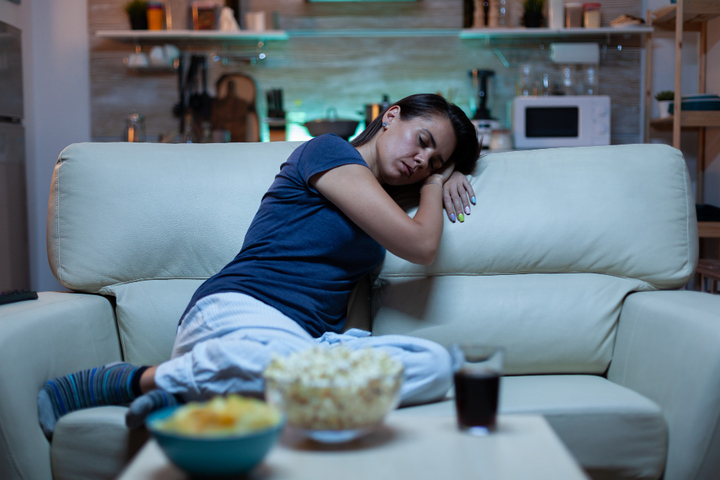
When managing sleep apnea, most people focus on treatments like CPAP therapy, weight management, or sleep position. But one often-overlooked factor could be quietly making your symptoms worse: the timing of your evening meal. Emerging evidence suggests that eating too close to bedtime can interfere with breathing patterns during sleep and aggravate sleep apnea symptoms. Understanding how late dinner worsens sleep apnea can help you make simple yet powerful changes that support deeper, more restorative sleep and better breathing overnight.
Why Dinner Timing Matters for Sleep Apnea
Sleep apnea occurs when breathing repeatedly becomes shallow or stops during sleep due to airway collapse or obstruction. While factors like anatomy, body weight, and alcohol use are well known contributors, digestion also plays a role.
Your body follows a natural rhythm that coordinates sleep, digestion, and hormone release. When you eat late at night, you disrupt this rhythm. Instead of preparing for rest, your body remains focused on digestion, which can interfere with breathing efficiency and sleep stability.
For individuals with sleep apnea, this disruption can intensify symptoms and lead to more frequent nighttime awakenings.
How Eating Late Can Make Sleep Apnea Worse
Increased Pressure on the Diaphragm
A heavy or late-night meal keeps your stomach full when you lie down. This fullness can place upward pressure on the diaphragm, limiting lung expansion. When breathing becomes restricted, airway collapse is more likely, especially in people already prone to sleep apnea. This mechanical pressure may not seem significant, but over the course of the night, it can contribute to repeated breathing disturbances.
Higher Risk of Acid Reflux
Late dinners are closely associated with acid reflux. When stomach contents move upward while you’re lying flat, stomach acid can irritate the throat and upper airway. This irritation leads to swelling and inflammation, narrowing the airway further. For people with sleep apnea, this can increase snoring, worsen breathing pauses, and reduce oxygen levels during sleep.
Disruption of the Body’s Internal Clock
Your circadian rhythm helps regulate both sleep and digestion. Eating late sends mixed signals to your body, telling it to stay alert when it should be winding down.
This mismatch can delay sleep onset, reduce time spent in deep sleep, and increase nighttime arousals. Poor sleep quality combined with sleep apnea can significantly impact daytime energy, focus, and mood.
Hormonal and Blood Sugar Effects
Late-night eating can trigger spikes in blood sugar and insulin levels. These fluctuations may suppress melatonin, the hormone responsible for signaling sleep readiness. Lower melatonin levels can result in lighter sleep, increased awakenings, and unstable breathing patterns, conditions that worsen sleep apnea severity.
Signs Your Dinner Schedule May Be Affecting Your Sleep Apnea
If your sleep apnea feels worse on certain nights, your eating habits may be part of the problem. Common warning signs include:
- Louder snoring after late meals
- Waking up gasping or feeling short of breath
- Heartburn or a sour taste in the mouth at night
- Frequent awakenings or restless sleep
- Daytime fatigue despite sufficient sleep hours
These symptoms suggest that digestion may interfere with your nighttime breathing.
The Link Between Meal Timing and Sleep Quality
Studies examining sleep patterns show that people who eat earlier in the evening tend to fall asleep faster and experience fewer sleep disruptions. In contrast, late eaters often report poorer sleep efficiency and more fragmented rest.
For individuals with sleep apnea, fragmented sleep is especially problematic. Each awakening disrupts oxygen delivery and places additional stress on the cardiovascular system. Over time, this can contribute to complications such as high blood pressure, heart disease, and reduced cognitive performance.
Practical Ways to Adjust Dinner Timing for Better Sleep
The good news is that small changes to your evening routine can make a meaningful difference.
1. Finish Dinner Earlier
Try to complete your last meal at least three to four hours before bedtime. This allows digestion to progress before you lie down, reducing pressure on the airway and lowering reflux risk.
2. Keep Evening Meals Light
Choose meals that are easy to digest, such as lean proteins, vegetables, and whole grains. Avoid large portions, fried foods, and heavy sauces in the evening.
3. Be Careful With Late-Night Snacking
If you feel hungry later at night, opt for a light snack and give your body time before lying down. Avoid sugary or fatty foods that can delay digestion.
4. Maintain Consistent Meal Times
Eating meals at roughly the same times each day helps regulate your internal clock. A predictable schedule supports both digestion and sleep quality.
5. Limit Alcohol and Caffeine in the Evening
Alcohol relaxes throat muscles and increases airway collapse, while caffeine delays sleep onset. Reducing both, especially at night can significantly improve sleep apnea symptoms.
Supporting Habits That Improve Sleep Apnea
Meal timing works best when combined with other healthy habits, including:
- Maintaining a healthy body weight
- Exercising regularly
- Sleeping on your side instead of your back
- Elevating the head of your bed to reduce reflux
- Following a consistent sleep schedule
Together, these lifestyle choices create a sleep environment that supports steady breathing and better rest.
When Lifestyle Changes Aren’t Enough
While adjusting dinner timing can reduce symptom severity, it may not fully resolve sleep apnea, especially in moderate to severe cases. If symptoms persist, worsen, or interfere with daily life, professional evaluation is essential.
A healthcare provider or sleep specialist can assess your condition and recommend appropriate therapy, including medical devices designed to maintain open airways during sleep.
Conclusion
Understanding how late dinner worsens sleep apnea highlights the powerful role daily habits play in sleep health. Eating earlier, choosing lighter meals, and maintaining consistent routines can reduce nighttime breathing disruptions and improve overall sleep quality. For those who need additional support, proper treatment tools are essential. If you’re looking to improve your sleep apnea management, explore options to get Sleep apnea medical devices that can help you breathe easier and sleep better.